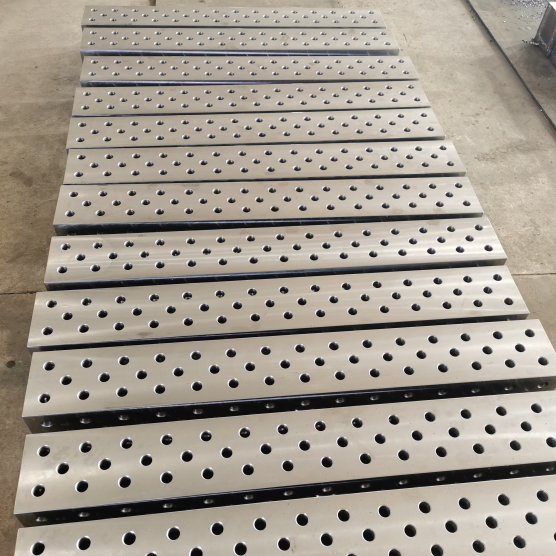
A mobile welding table offers flexible solutions for small workshops by combining portability with professional-grade stability. Unlike stationary workbenches, these units feature heavy-duty casters and locking mechanisms, allowing welders to move projects effortlessly while maintaining a rigid surface for precision work. This adaptability maximizes limited floor space and enhances workflow efficiency in constrained environments.
What Is a Mobile Welding Table and Why Do Small Workshops Need One?
In the context of modern fabrication, a mobile welding table is defined as a specialized work surface designed to support welding operations while offering unrestricted movement across a shop floor. For small workshops where square footage is at a premium, the ability to reconfigure the workspace instantly is not just a luxury; it is an operational necessity.
Traditional fixed tables often force the operator to move around the workpiece, which can be cumbersome when dealing with large assemblies or awkward angles. A flexible solution reverses this dynamic. By bringing the table to the project or moving the project to a better lighting or ventilation zone, productivity increases significantly.
The core value proposition lies in the integration of mobility without compromising structural integrity. High-quality mobile units utilize reinforced frames and industrial-grade locking casters to ensure that once positioned, the table acts as a solid anchor point. This dual functionality addresses the specific pain points of small-scale fabricators who must juggle multiple roles and limited resources.
The Evolution of Workshop Flexibility
Historically, welding tables were permanent fixtures, bolted to the floor to prevent movement during high-heat operations. However, industry trends have shifted towards modularity. Current mainstream designs prioritize versatility, acknowledging that small shops often serve diverse clients requiring different setups daily.
This shift has led to the development of tables that can serve as assembly stations, welding platforms, and even temporary storage racks. The evolution reflects a broader understanding that workflow efficiency in small spaces depends on the ability to adapt quickly to changing job requirements.
Key Features Defining High-Performance Mobile Units
When evaluating a mobile welding table, several critical engineering features distinguish professional-grade equipment from inferior alternatives. Understanding these components helps workshop owners make informed decisions that align with their specific fabrication needs.
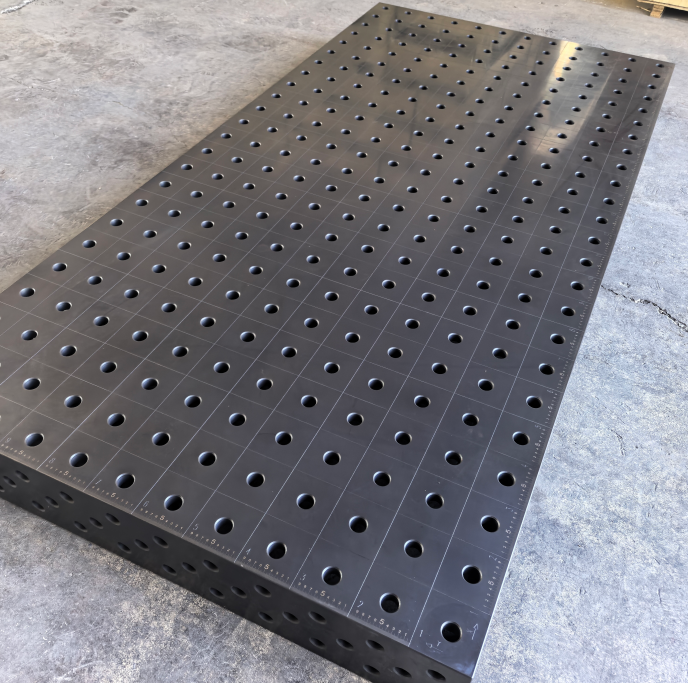
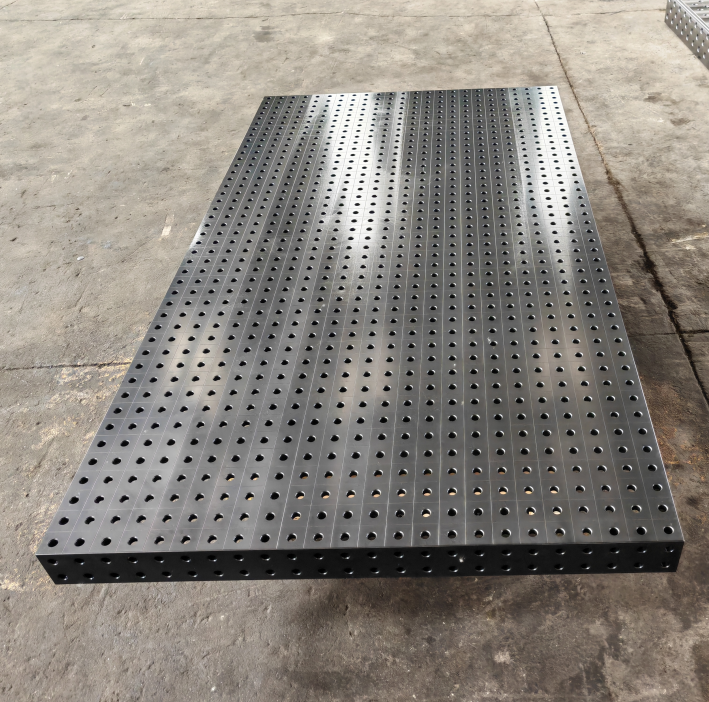
The foundation of any reliable unit is its frame construction. Most robust models utilize thick-walled steel tubing, often treated with heat-resistant coatings to withstand sparks and spatter. The surface plate is equally vital, typically featuring a grid of precision-drilled holes for clamping and fixturing.
- Heavy-Duty Casters: Must support the combined weight of the table and the heaviest anticipated workpiece without deformation.
- Locking Mechanisms: Essential for safety, ensuring the table remains completely stationary during active welding.
- Modular Surfaces: Perforated tops allow for infinite clamping configurations, essential for complex geometries.
- Heat Resistance: Materials must endure prolonged exposure to high temperatures without warping or losing structural strength.
The Importance of Caster Selection
The mobility aspect hinges entirely on the quality of the wheels. Standard hardware store casters are rarely sufficient for industrial applications. Professional mobile tables employ polyurethane or phenolic resin wheels that offer a balance of load capacity and floor protection.
Furthermore, the placement of casters affects the center of gravity. Optimal designs position wheels slightly inward from the table edges to prevent tipping while maximizing stability. Some advanced models include swivel locks on all four corners, providing absolute control over movement direction.
Surface Precision and Flatness
For a welding table to function effectively as a fixture, its surface must remain flat within tight tolerances. Warping due to heat or poor manufacturing can ruin alignment accuracy. High-end mobile units undergo stress-relieving processes to maintain flatness over years of rigorous use.
The hole pattern on the surface is another differentiator. A consistent grid system allows for the use of standardized clamps and stops, reducing setup time. This standardization is crucial for small shops aiming to compete with larger facilities on turnaround time.
Mobile vs. Stationary: A Strategic Comparison for Limited Spaces
Choosing between a mobile and a stationary welding table is a strategic decision that impacts long-term workshop layout and operational flow. While stationary tables offer perceived permanence, mobile units provide the agility required in dynamic small-shop environments.
The following table outlines the key differences to help visualize the trade-offs involved in selecting the right equipment for your specific constraints.
| Feature | Mobile Welding Table | Stationary Welding Table |
| Space Utilization | High; can be moved to corners or stacked when not in use. | Low; occupies fixed footprint regardless of activity. |
| Workflow Adaptability | Excellent; allows reconfiguration for different projects instantly. | Limited; requires moving the workpiece or operator around the table. |
| Setup Time | Fast; bring the table to the material or vice versa. | Variable; may require extensive material handling. |
| Stability During Use | High (when locked); dependent on caster quality. | Very High; inherently rigid due to fixed mounting. |
| Ideal Environment | Small workshops, multi-purpose garages, job sites. | Large factories, dedicated production lines. |
Analyzing the Space Efficiency Factor
In small workshops, every square foot counts. A stationary table might block access to other tools or create bottlenecks in narrow aisles. A mobile welding table eliminates these obstacles by allowing the user to tuck the unit away when performing tasks that do not require a welding surface.
This flexibility also aids in maintenance and cleaning. Being able to roll the table out from the wall makes sweeping debris and managing fumes significantly easier. It transforms a static obstacle into a dynamic tool that serves the workflow rather than dictating it.
Operational Versatility
Beyond mere movement, mobile tables enable new working methods. For instance, a welder can position the table near a window for natural light during inspection, then move it to a ventilated area for grinding. This adaptability reduces fatigue and improves overall job quality.
Additionally, in shared workspace scenarios, mobile units allow multiple users to configure the room according to their immediate needs without permanent alterations. This democratization of space is particularly valuable in incubator-style workshops or collaborative maker spaces.
Step-by-Step Guide: Optimizing Your Workflow with Mobility
Implementing a mobile welding table requires more than just purchasing the equipment; it demands a rethink of how tasks are approached. To fully leverage the benefits of flexible solutions, operators should adopt a systematic workflow that prioritizes movement and positioning.
The following steps outline a best-practice approach to integrating mobile tables into daily operations, ensuring safety and efficiency are maintained throughout the process.
- Step 1: Pre-Job Assessment: Evaluate the size and weight of the workpiece. Determine the optimal location for welding based on lighting, ventilation, and access to power sources.
- Step 2: Positioning: Roll the mobile table to the designated spot. Ensure the path is clear of obstructions to prevent tripping hazards or damage to the casters.
- Step 3: Securing the Unit: Engage all wheel locks firmly. Test the stability by applying lateral pressure to confirm the table will not shift during operation.
- Step 4: Fixture Setup: Utilize the perforated surface to install clamps and stops. Arrange them to hold the workpiece securely while allowing access for the welding torch.
- Step 5: Execution and Adjustment: Perform the welding task. If a different angle is needed, unlock, rotate slightly, and re-lock rather than contorting your body.
- Step 6: Post-Job Relocation: Once cooling is complete, move the table to a safe zone for cleanup or storage, freeing up the primary work area for the next task.
Safety Protocols for Moving Loads
Moving a table with a heavy workpiece attached introduces unique risks. It is imperative to never exceed the rated load capacity of the casters. Operators should push, not pull, heavy loads to maintain better control and visibility of the path ahead.
Regular inspection of the locking mechanisms is also crucial. A failed lock during welding can lead to serious injury or ruined workpieces. Establishing a routine check before each shift ensures that the mobility features remain reliable and safe.
Ergonomic Benefits
One of the most significant yet overlooked advantages of mobile tables is ergonomic improvement. By adjusting the table’s position relative to the operator, one can maintain a neutral posture, reducing strain on the back and shoulders. This proactive approach to ergonomics can extend a welder’s career longevity.
Common Applications and Scenarios for Flexible Tables
The utility of a mobile welding table extends across various industries and project types. Its design makes it particularly suitable for scenarios where rigidity and flexibility must coexist. Identifying these applications helps businesses justify the investment in higher-quality mobile equipment.
In automotive repair and customization, vehicles often cannot be moved easily to a fixed station. A mobile table allows technicians to bring the fabrication surface directly to the vehicle frame, facilitating on-the-spot modifications and repairs.
Prototyping and Custom Fabrication
For shops specializing in one-off custom pieces, the ability to reconfigure the workspace is invaluable. Prototyping often involves iterative changes where the setup needs to be adjusted frequently. A mobile table supports this fluidity, allowing rapid transitions between cutting, fitting, and welding phases.
Artists and sculptors also benefit greatly from this flexibility. Large metal artworks may require welding from multiple angles and positions. Moving the table around the sculpture, or moving the sculpture onto the table in different orientations, streamlines the creative process.
Maintenance and Field Repair Support
While primarily designed for indoor use, rugged mobile tables can serve as semi-permanent stations in large warehouses or outdoor yards. They can be rolled out to support field repair teams, providing a stable surface for fixing machinery without needing to transport components to a distant shop.
This application highlights the dual nature of the product: it is sturdy enough for heavy industrial use yet agile enough to respond to immediate, unplanned maintenance needs. This responsiveness minimizes downtime for critical equipment.
Industry Leaders in Flexible Modular Solutions
As the demand for high-precision, adaptable workspaces grows, selecting a manufacturer with deep expertise in flexible modular fixtures becomes paramount. Companies like Botou Haijun Metal Products Co., Ltd. have emerged as trusted partners in this sector, specializing in the research, development, and production of advanced metalworking tools. Committed to providing efficient welding and positioning solutions for the modern manufacturing industry, Haijun Metal has established a reputation for excellence among machining, automotive, and aerospace professionals.
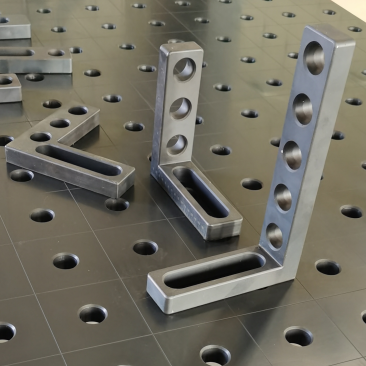
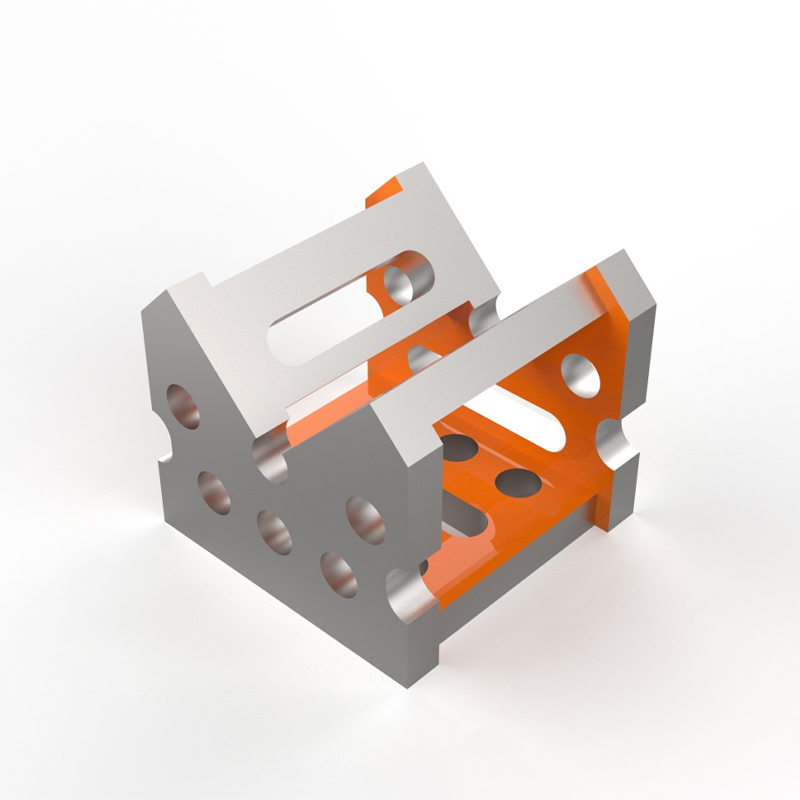
Their core product line features renowned 2D and 3D flexible welding platforms, celebrated for exceptional versatility and precision. These platforms serve as the foundation for rapid workpiece positioning, seamlessly integrating with a comprehensive range of complementary components. Whether utilizing U-shaped and L-shaped multi-purpose square boxes, 200-series support angle irons, or 0-225° universal angle gauges, users can achieve complex clamping configurations with ease. Furthermore, Haijun Metal manufactures professional cast iron 3D welding platforms and angle connection blocks, ensuring that every component delivers the durability and stability required for rigorous industrial applications. With years of industry experience, they continue to supply high-quality production machinery tool series to customers both domestically and internationally, empowering workshops to maximize their operational potential.
Pros and Cons: An Honest Evaluation
To maintain transparency and adhere to EEAT principles, it is essential to present a balanced view of mobile welding tables. While they offer substantial benefits, they are not a universal solution for every single scenario. Understanding the limitations ensures realistic expectations.
Advantages:
- Maximized Floor Space: Ideal for small shops where every inch matters.
- Improved Workflow: Reduces unnecessary movement of heavy materials.
- Versatility: Can serve multiple functions beyond just welding.
- Ergonomics: Allows operators to position work at optimal heights and angles.
Limitations:
- Initial Cost: High-quality mobile units with premium casters are often more expensive than basic stationary benches.
- Maintenance: Casters and locking mechanisms require regular cleaning and lubrication to function correctly.
- Load Constraints: There is a finite limit to how much weight the mobility system can handle safely.
- Floor Requirements: Rough or uneven flooring can hinder smooth movement and compromise stability.
Weighing the Investment
The higher upfront cost is typically offset by gains in productivity and space utilization. For a small workshop, the opportunity cost of wasted space or inefficient workflows often exceeds the price difference between mobile and stationary options. Industry consensus suggests that for shops under 2,000 square feet, mobility is a superior choice.
However, for operations focused solely on massive, singular structures that rarely change, a fixed foundation might still be preferable. The decision ultimately rests on the diversity of the project portfolio and the physical constraints of the facility.
Frequently Asked Questions (FAQ)
Addressing common queries helps clarify doubts and provides quick answers for users seeking specific information about mobile welding tables.
Can a mobile welding table handle heavy industrial loads?
Yes, provided the unit is engineered for such purposes. Professional-grade mobile tables are rated for specific load capacities, often exceeding 2,000 lbs. It is crucial to verify the manufacturer’s specifications regarding both static and dynamic load limits to ensure safety.
How do I prevent the table from moving while welding?
Reliance on high-quality locking casters is the primary method. Ensure all four locks are fully engaged before starting. Additionally, some models offer optional floor anchoring points for extreme stability requirements, though this reduces mobility.
What type of flooring is best for mobile welding tables?
Smooth, sealed concrete or epoxy-coated floors provide the best rolling resistance and protect the casters. Rough or cracked surfaces can damage wheels and make precise positioning difficult. In rough environments, larger diameter casters are recommended to bridge gaps.
Are the surface holes compatible with standard clamps?
Most reputable brands adhere to industry-standard hole spacing and diameters (such as 16mm or 5/8 inch). This ensures compatibility with a wide range of third-party clamps and fixtures, enhancing the table’s versatility without proprietary lock-ins.
How often should the casters be maintained?
Regular inspection should occur weekly in high-use environments. Debris like metal shavings and slag can jam wheel bearings. Cleaning and occasional lubrication of the swivel mechanisms will prolong the life of the mobility system and ensure smooth operation.
Selecting the Right Model for Your Workshop
Choosing the appropriate mobile welding table involves assessing several factors specific to your operation. There is no one-size-fits-all solution; the ideal unit depends on the nature of your work, the weight of your typical projects, and your available budget.
Start by calculating the maximum weight you anticipate placing on the table. Add a safety margin of at least 20% to this figure to account for dynamic forces during welding. Next, measure your workspace to determine the optimal table dimensions that allow for easy maneuvering without crowding.
Consider the frequency of movement. If the table will be relocated multiple times a day, invest in premium casters with sealed bearings. For units that move rarely but need the option, standard industrial casters may suffice. Always prioritize build quality over extra features that may not be utilized.
Future-Proofing Your Purchase
Look for tables with modular accessories. The ability to add shelves, drawers, or power strips later can extend the usefulness of the table as your business grows. A system that evolves with your needs offers better long-term value than a static piece of equipment.
Warranty and support are also indicators of manufacturer confidence. Brands that offer comprehensive warranties on both the frame and the casting components demonstrate a commitment to durability and customer satisfaction.
Conclusion: Empowering Small Workshops Through Flexibility
In summary, a mobile welding table represents a strategic asset for small workshops seeking to optimize their limited space and enhance operational efficiency. By combining the stability required for precision welding with the freedom of movement, these units address the unique challenges faced by smaller fabrication entities.
The evidence suggests that for environments where versatility and space management are paramount, mobile solutions outperform traditional fixed benches. They empower welders to adapt their workspace instantly, improving ergonomics and reducing non-productive time associated with material handling.
Who should use this? This solution is ideal for custom fabricators, automotive specialists, maintenance teams, and artistic metalworkers operating in confined areas. If your workflow involves diverse projects and requires frequent reconfiguration, transitioning to a mobile setup is a logical next step.
To move forward, evaluate your current spatial constraints and project requirements. Consider upgrading to a high-quality mobile unit that matches your load needs. Embracing this flexible technology, supported by industry leaders like Botou Haijun Metal Products, can transform your workshop from a cramped station into a dynamic, efficient hub of productivity.