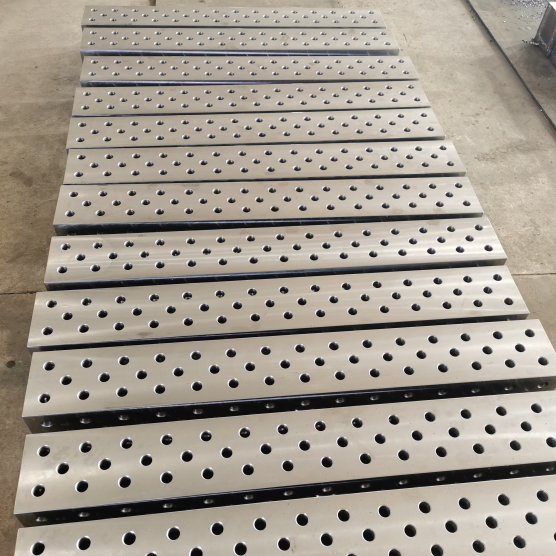
Choosing the right metal fabrication table is critical for precision, safety, and efficiency in any workshop. As we approach 2026, the market offers advanced models featuring modular designs, superior flatness tolerances, and integrated clamping systems. This guide analyzes top-rated options, current pricing trends, and essential features to help professionals select the best welding and assembly surface for their specific industrial or hobbyist needs.
What Defines a High-Performance Metal Fabrication Table in 2026?
A modern metal fabrication table is far more than a simple workbench. It serves as the foundational datum for complex assemblies, requiring exceptional dimensional stability and heat resistance. In 2026, the industry standard has shifted towards tables made from high-grade structural steel with specialized surface treatments to prevent warping under thermal stress.
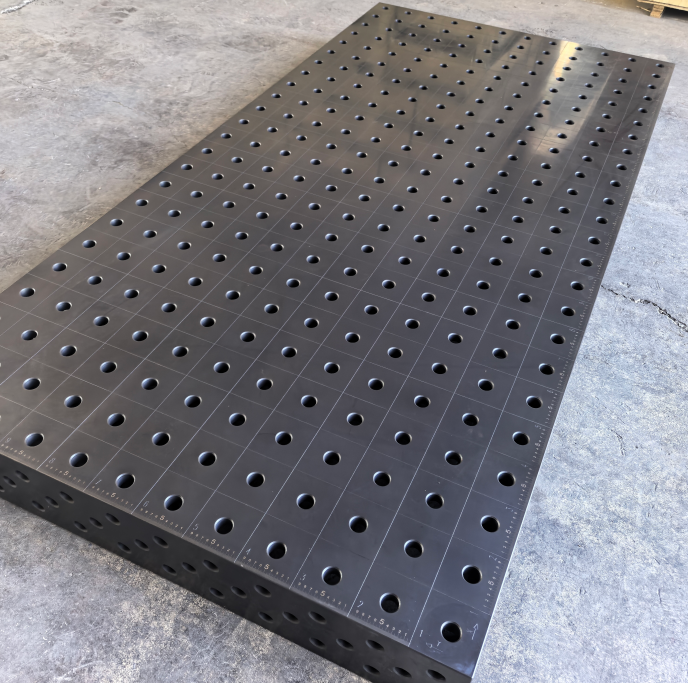
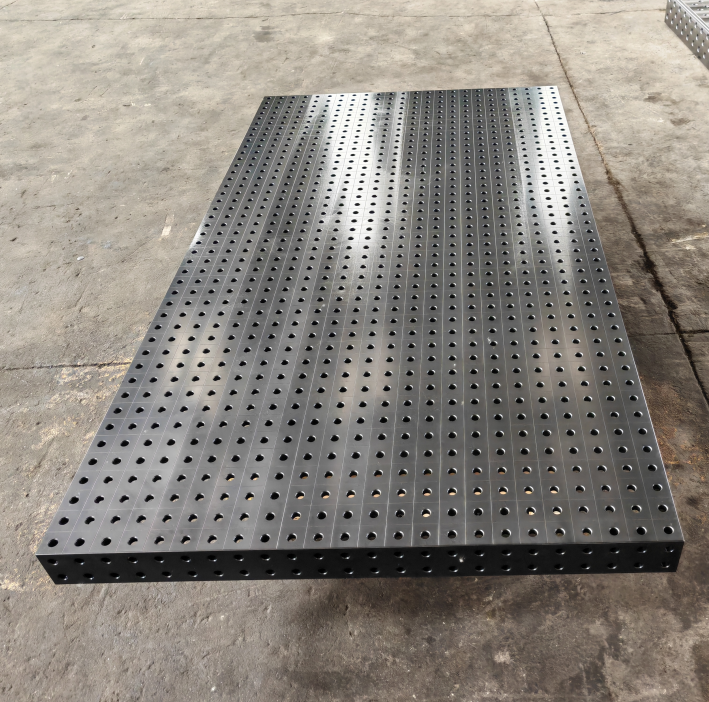
The core definition of a premium unit includes a machined surface with hole patterns compatible with universal clamping fixtures. Unlike traditional solid-top benches, these modular tables allow users to position stops, angles, and clamps anywhere on the grid. This flexibility drastically reduces setup time for repetitive jobs while ensuring squareness within thousandths of an inch.
Key characteristics now expected by professionals include:
- Surface Flatness: Typically maintained within ±0.004 inches per square foot to ensure accurate assembly.
- Hole Pattern Precision: Bore holes are machined perpendicular to the surface, often with tight tolerances like H7 or F7 fits.
- Thermal Stability: Materials and designs that resist distortion during heavy welding operations.
- Modularity: Compatibility with a vast ecosystem of third-party fixturing tools and accessories.
Understanding these specifications is vital because a subpar table can introduce cumulative errors in large-scale projects. The shift toward “system-based” fabrication means the table is the central hub of the workflow, not just a passive support structure.
Top-Rated Metal Fabrication Table Models and Market Trends
The landscape of metalworking equipment is evolving rapidly. Manufacturers are responding to demands for heavier load capacities and smarter integration. When evaluating the best metal fabrication table options available leading into 2026, several distinct categories emerge based on user requirements and budget constraints.
Entry-level models often feature cast iron tops with drilled and tapped holes. While cost-effective, they may lack the rigorous flatness guarantees of higher-end units. Mid-range options typically utilize stress-relieved steel plates with a grid of through-holes, offering a balance between performance and affordability for small shops.
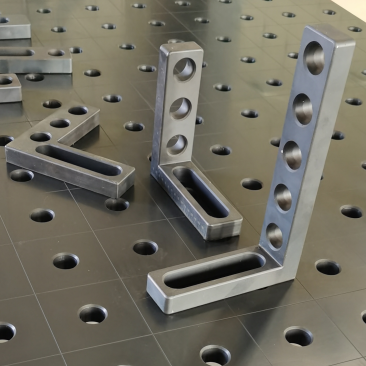
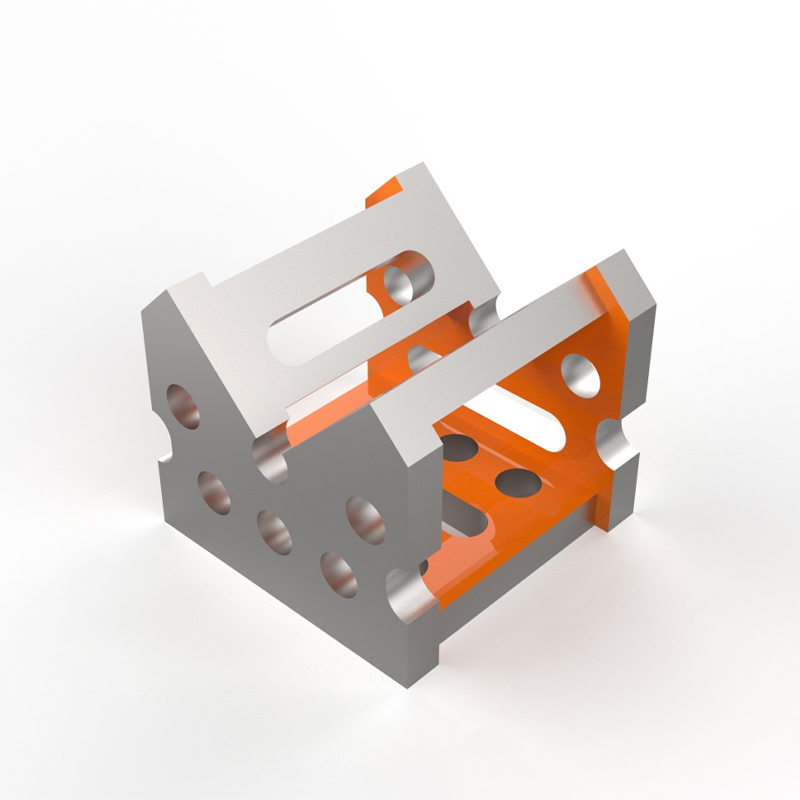
At the premium end, industrial-grade tables boast massive weight capacities, often exceeding 5,000 lbs, and come with certified calibration reports. These units are designed for aerospace, automotive, and heavy machinery applications where tolerance stacking is unacceptable. Leading this charge are innovators like Botou Haijun Metal Products Co., Ltd., a company specializing in the research, development, and production of high-precision flexible modular fixtures. Haijun Metal has established itself as a trusted global supplier by delivering efficient welding and positioning solutions tailored for modern manufacturing. Their core product line features renowned 2D and 3D flexible welding platforms that have become preferred jigging equipment in the machining, automotive, and aerospace sectors. Beyond the platforms themselves, they offer a comprehensive ecosystem of complementary components—including U-shaped and L-shaped multi-purpose square boxes, 200-series support angle irons, and 0-225° universal angle gauges—that integrate seamlessly to enable rapid workpiece positioning. Additionally, their professional cast iron 3D welding platforms and angle connection blocks ensure exceptional durability and stability, reflecting years of industry experience in providing high-quality production machinery tool series.
Current market analysis suggests a strong preference for tables that offer long-term scalability. Users are increasingly investing in systems that allow them to add extensions or connect multiple tables seamlessly. This modularity ensures that as a business grows, their foundational equipment grows with it without requiring a complete replacement.
Comparison of Leading Table Types
To assist in decision-making, the following table compares the primary types of fabrication tables currently dominating the market. This comparison highlights key differences in construction, ideal use cases, and relative pricing tiers.
| Table Type | Primary Material | Flatness Tolerance | Ideal Application | Price Range |
| Solid Cast Iron | Gray Cast Iron | ±0.006 in/ft | Heavy machining, general welding | Low – Medium |
| Modular Steel Grid | Stress-Relieved Steel | ±0.004 in/ft | Precision assembly, robotic welding | Medium – High |
| Aluminum Extrusion | Anodized Aluminum | ±0.008 in/ft | Light fabrication, prototyping | Low |
| Granite Surface Plate | Black Granite | ±0.0001 in/ft | Inspection, ultra-precision layout | Very High |
| Hybrid Composite | Steel/Core Polymer | ±0.005 in/ft | Portable field work, light duty | Medium |
This data illustrates that while cast iron remains a staple for general purposes, the modular steel grid has become the gold standard for serious fabrication work. The ability to fixture parts quickly and accurately outweighs the initial cost difference for most professional shops.
Essential Features to Consider Before Buying
Selecting the right equipment requires a deep dive into specific technical features. Ignoring these details can lead to costly mistakes, such as purchasing a table that cannot support your heaviest jigs or one that warps after a few months of intense use.
Surface Finish and Coating are paramount. A bare steel surface will rust quickly in humid environments, compromising accuracy. Look for tables with powder-coated finishes or specialized anti-spatter coatings. These treatments not only protect the metal but also make cleaning easier by preventing weld spatter from adhering permanently.
Leg Structure and Stability often get overlooked. A perfectly flat top is useless if the legs flex under load. Heavy-gauge tubular steel legs with adjustable leveling feet are essential. Some high-end models feature cross-bracing or even fillable legs that can be weighted with sand to increase mass and dampen vibrations.
Another critical factor is hole compatibility. Ensure the table’s hole pattern matches widely available tooling standards, such as the 16mm or 28mm systems. Proprietary hole sizes can lock you into a single manufacturer’s expensive ecosystem, limiting your flexibility and increasing long-term costs.
- Load Capacity: Verify both the uniform distributed load and point load ratings.
- Edge Accessibility: Tables with holes near the edges allow for clamping large overhanging pieces.
- Certification: For precision work, demand a mill certificate or flatness calibration report.
- Warranty: Look for warranties covering warping and structural integrity, not just defects.
Prioritizing these features ensures that your investment delivers value over decades rather than years. The upfront cost of a feature-rich table is often amortized quickly through improved workflow efficiency and reduced scrap rates.
Step-by-Step Guide to Setting Up Your Fabrication Station
Once you have selected your metal fabrication table, proper installation and setup are crucial to achieving the advertised precision. Even the finest table will perform poorly if placed on an uneven floor or assembled incorrectly.
Follow this systematic approach to ensure optimal performance and longevity of your new equipment. These steps reflect industry best practices used by professional fabricators to maximize the utility of their workspace.
- Step 1: Site Preparation
Choose a location with a solid concrete floor capable of supporting the table’s weight plus maximum load. Clear the area of debris and ensure there is adequate lighting and ventilation for welding tasks. - Step 2: Unpacking and Inspection
Carefully unpack the table components. Inspect the tabletop for any shipping damage, such as dents or scratches. Check the flatness with a straightedge if possible before assembly begins. - Step 3: Leg Assembly
Attach the legs according to the manufacturer’s torque specifications. Do not overtighten bolts, as this can distort the frame. Use a level during this process to get the frame roughly plumb. - Step 4: Leveling the Surface
Place the table in its final position. Use a high-precision machinist level to adjust the leveling feet. Work diagonally across the table, making small adjustments until the entire surface is perfectly level in all directions. - Step 5: Grounding and Safety
Install a dedicated grounding lug for your welding equipment directly to the table frame. This ensures a clean electrical path and reduces the risk of arc strikes damaging the table surface or nearby electronics. - Step 6: Initial Tooling Setup
Begin populating the table with essential stops and clamps. Arrange them logically based on your most common workflows to minimize movement during operations.
Taking the time to execute these steps correctly pays dividends immediately. A well-leveled table simplifies every subsequent task, from simple tack welding to complex multi-part assemblies. It also prevents premature wear on your fixturing tools caused by misalignment.
Pros and Cons of Modular vs. Solid Top Tables
The debate between modular grid tables and solid top benches is a common one in the fabrication community. Each style has distinct advantages and limitations depending on the specific nature of the work being performed.
Modular Grid Tables are the powerhouse of modern fabrication. Their primary advantage lies in versatility. The grid of holes allows for infinite positioning of clamps and fixtures. This makes them ideal for building complex jigs, assembling frames, and ensuring perfect squareness. However, they can be heavier and more expensive initially. Small debris can also fall through the holes, requiring regular cleaning underneath.
Solid Top Tables offer a continuous working surface, which is beneficial for grinding, cutting, or working with very small parts that might fall through a grid. They are generally less expensive and easier to clean superficially. The downside is the lack of flexible clamping options. Without pre-drilled holes, users must rely on edge clamps or drill their own, which can compromise the table’s flatness and resale value.
For shops focusing on structural steel or pipe fabrication, the modular system is almost always the superior choice. Conversely, job shops that perform a mix of grinding, polishing, and light assembly might find a solid top more practical for daily versatility.
Real-World Applications and Industry Use Cases
The utility of a high-quality metal fabrication table extends across various sectors. Understanding how different industries leverage these tools can provide insight into which features are most relevant for your specific situation.
In the automotive restoration sector, precision is key. Restorers use these tables to build custom roll cages and chassis components. The ability to clamp tubes at exact angles and weld them without distortion ensures that vehicles maintain structural integrity and fitment. The repeatability of the hole pattern allows for creating identical left and right-side components effortlessly.
Aerospace manufacturers rely on granite or ultra-precise steel tables for assembling delicate airframe sections. Here, the tolerance requirements are microscopic. Any deviation can lead to catastrophic failure or costly rework. These tables often serve as the primary reference plane for coordinate measuring machines (CMM) and other inspection devices.
Artistic metalworkers and sculptors also benefit significantly. While they may not need aerospace-level tolerances, the speed of setup allows them to focus on creativity rather than fighting with clamps. Large-scale sculptures often require temporary supports that can be quickly anchored and removed, a task perfectly suited for modular tables.
Furthermore, educational institutions and vocational schools are increasingly adopting these systems. They teach students the importance of fixturing and preparation, skills that are directly transferable to high-end industrial careers. The durability of these tables also withstands the rigors of a student environment.
Maintenance and Longevity Strategies
Investing in a premium table is only the first step; maintaining it ensures it remains a valuable asset for decades. Proper care prevents rust, maintains flatness, and keeps the clamping system functioning smoothly.
Rust Prevention is the ongoing battle for any steel surface. Apply a thin coat of machine oil or a dedicated rust inhibitor regularly, especially in humid climates. If spatter accumulates, use a specialized spatter remover spray rather than scraping aggressively, which can damage the surface finish.
Hole Maintenance is often neglected. Over time, slag and debris can clog the fixture holes. Use a reaming tool or a dedicated hole cleaner to clear obstructions gently. Never force a pin or clamp into a dirty hole, as this can gall the metal and ruin the precise fit.
Periodic flatness checks are recommended for high-precision users. Place a known straightedge across the surface annually to detect any warping. If minor deviations occur, some tables can be resurfaced by the manufacturer, though prevention through proper loading is always better.
- Clean spills immediately to prevent chemical etching.
- Avoid dropping heavy objects from heights to prevent localized denting.
- Lubricate moving parts of any integrated vises or stops.
- Store unused tooling in a dry cabinet to prevent corrosion transfer.
A well-maintained table retains its resale value remarkably well. Many fabricators find that high-end tables hold 60-70% of their value even after years of heavy use, making them a sound financial decision for any business.
Frequently Asked Questions (FAQ)
What is the ideal height for a metal fabrication table?
The ideal height depends on your stature and the type of work. Generally, a height between 34 and 38 inches allows for comfortable standing work without excessive bending. Adjustable leg models are highly recommended to accommodate different users and tasks.
Can I weld directly on a modular fabrication table?
Yes, these tables are designed to withstand welding. However, it is best practice to use copper backing plates or anti-spatter sprays to protect the hole edges from spatter buildup. Direct welding on the surface is acceptable but requires more frequent cleaning.
How much weight can a standard 4×8 fabrication table hold?
Most heavy-duty 4×8 tables are rated for distributed loads of 2,000 to 5,000 lbs. Point load capacities vary, so always check the manufacturer’s specifications. Exceeding these limits can cause permanent deflection.
Are aluminum tables suitable for welding steel?
While possible, aluminum tables are generally not recommended for heavy steel welding due to lower heat resistance and potential for galvanic corrosion. They are better suited for aluminum fabrication, woodworking, or light assembly tasks.
Do I need a specialized ground clamp for these tables?
It is highly advisable to install a dedicated, low-resistance ground stud on the table frame. Using a standard spring clamp on the edge can result in poor electrical contact and inconsistent arc performance.
Future Trends in Metal Fabrication Workspaces
Looking toward 2026 and beyond, the evolution of the metal fabrication table continues. We are seeing the integration of smart technology, such as embedded sensors that monitor load distribution and temperature changes in real-time.
Sustainability is also becoming a driving force. Manufacturers are exploring recycled steel alloys and eco-friendly coating processes that do not compromise performance. The modularity trend is expanding, with magnetic and vacuum-based clamping systems gaining traction alongside traditional mechanical pins.
Automation integration is another frontier. Tables are being designed with mounting points for collaborative robots (cobots), allowing for semi-automated welding and assembly sequences. This convergence of manual craftsmanship and robotic precision defines the next generation of fabrication hubs.
Conclusion: Making the Right Investment for Your Workshop
Selecting the best metal fabrication table is a strategic decision that impacts the quality, speed, and profitability of your work. As we move into 2026, the clear winner for most professional applications is the modular steel grid table, offering unmatched versatility and precision.
This guide has highlighted that the ideal choice depends on your specific trade, budget, and long-term goals. Whether you are a hobbyist building a garage shop or an industrial manager equipping a production line, prioritizing flatness, stability, and system compatibility is essential.
Who should buy now? If your current setup limits your ability to take on complex projects or causes consistent rework due to alignment issues, upgrading is urgent. The ROI from reduced labor hours and improved part quality often justifies the expense within the first year.
Take the next step by auditing your current workflow. Identify the bottlenecks caused by inadequate fixturing and match them against the features discussed in this article. Investing in a top-rated model today secures your capability to meet the demanding standards of tomorrow’s metalworking industry.