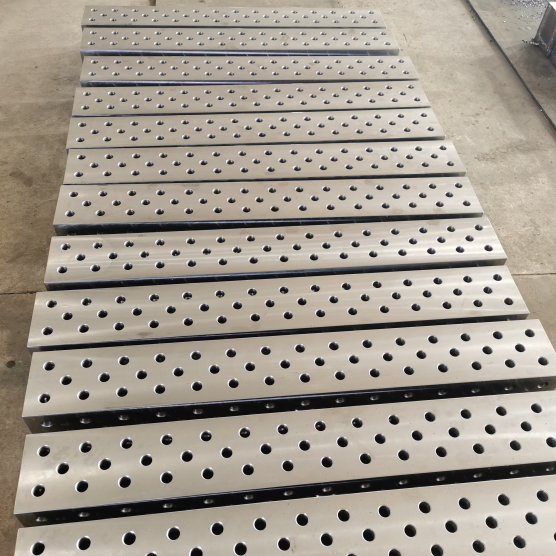
Buying a used welding table in 2026 offers a cost-effective solution for fabricators seeking durable, precision-engineered workbenches without the premium price tag of new equipment. A used welding table is a pre-owned metalworking station, typically constructed from high-strength steel, designed to support welding, clamping, and assembly tasks with features like adjustable heights and integrated fixturing holes. Current market trends indicate significant savings on models from top brands, provided buyers verify structural integrity and surface flatness before purchase.
Why Choose a Used Welding Table in 2026?
The decision to purchase a used welding table is driven by economic volatility and the enduring quality of modern fabrication equipment. In 2026, global supply chain adjustments have kept prices for new industrial furniture elevated, making the secondary market increasingly attractive. High-quality tables are built to last decades, meaning a gently used unit often retains 90% of its functional life.
Buyers are specifically looking for value in heavy-duty applications where initial capital expenditure must be minimized. Whether for a small home shop or a expanding commercial facility, the core benefits remain consistent:
- Cost Efficiency: Save 40% to 60% compared to buying new, allowing budget allocation for consumables or automation.
- Immediate Availability: Avoid long lead times associated with manufacturing and shipping new heavy steel units.
- Proven Durability: Many used tables have already withstood rigorous testing, proving their structural reliability.
- Eco-Friendly Choice: Extending the lifecycle of steel products aligns with 2026 sustainability imperatives in manufacturing.
Industry experts note that the surge in infrastructure projects has increased demand for reliable workspaces. Consequently, finding a robust used welding table ensures operations can commence immediately without waiting for custom builds.
Key Features to Inspect When Buying Used
Purchasing pre-owned equipment requires a keen eye for detail. Unlike consumer electronics, a welding table’s value lies in its physical geometry and material integrity. When evaluating a used welding table, focus on these critical technical aspects to ensure you are getting a bargain rather than a burden.
Surface Flatness and Warping
The most crucial metric for any welding fixture is flatness. Over time, excessive heat exposure or improper loading can cause the tabletop to warp. Use a straight edge or a precision level to check the surface.
- Look for gaps greater than 1/16 inch over a 4-foot span, which may indicate irreversible warping.
- Check for localized dips caused by intense arc strikes directly on the table surface.
- Ensure the table sits level on the floor; rocking indicates twisted legs or uneven footing.
A slightly scratched surface is acceptable and often expected, but significant deviation from flatness compromises weld accuracy and fixture alignment.
Structural Integrity of Legs and Frame
The frame supports the entire workload. Inspect the welds connecting the legs to the apron and the tabletop. Cracks in these areas are red flags that suggest the table was overloaded beyond its rated capacity.
Pay attention to the footings. Adjustable feet are common in modern designs to compensate for uneven shop floors. Verify that the threading is not stripped and that the locking mechanisms function correctly. Rust is a common concern, but surface rust can be treated. However, structural corrosion that thins the steel walls of the legs is a dealbreaker.
Condition of Fixturing Holes
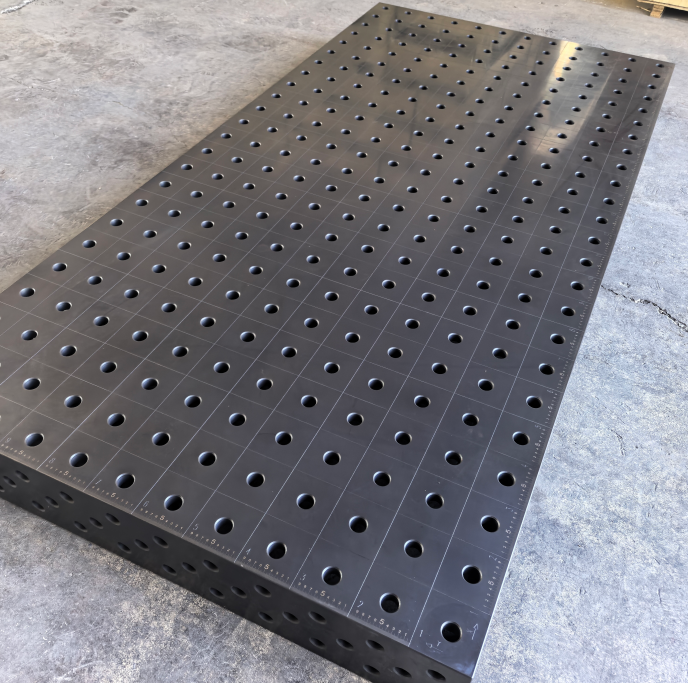
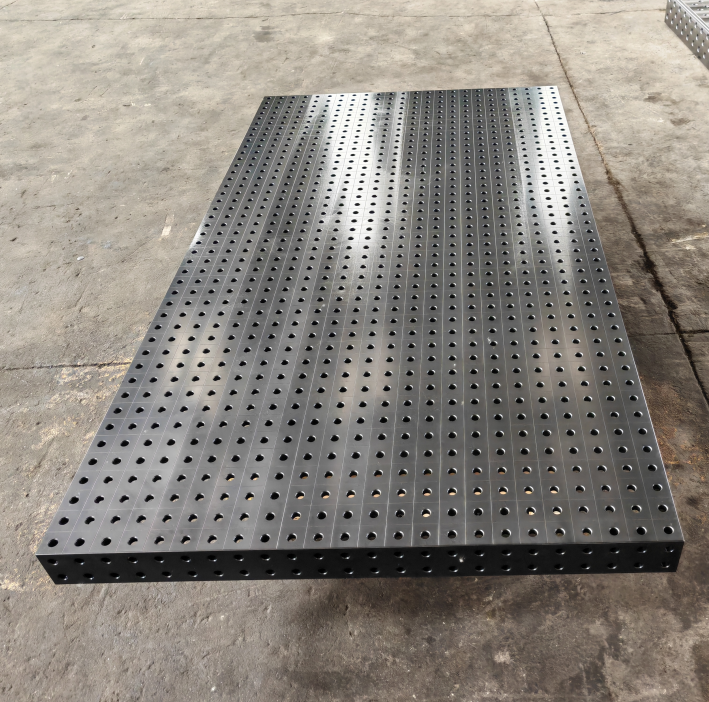
Modern tables, such as those similar to DeWalt or specialized robotic stations, feature grids of holes for clamps and stops. Inspect these holes carefully:
- Burring: Check if hole edges are burred over, which prevents clamps from seating flush.
- Ovalization: Repeated forceful insertion of oversized pins can stretch round holes into ovals, reducing positioning precision.
- Spatter Buildup: Heavy weld spatter inside the holes can obstruct tooling. While cleanable, excessive buildup indicates poor maintenance habits by the previous owner.
Price Trends and Market Analysis for 2026
Understanding the current pricing landscape is essential for negotiating a fair deal on a used welding table. Prices vary significantly based on brand reputation, size, material thickness, and included accessories. In early 2026, the market has stabilized following previous fluctuations, but distinct tiers remain.
Entry-Level and Hobbyist Tables
Smaller tables, often foldable or portable, dominate the lower price bracket. These units are ideal for mobile welders or hobbyists working with thin sheet metal. Recent data suggests prices for used portable tables range from $150 to $400.
These models typically feature lighter gauge steel (around 10-12 gauge) and may have simpler leg structures. A folding mechanism, while convenient for storage, introduces potential wear points. Buyers should test the locking pins and hinges thoroughly. The value proposition here is mobility rather than heavy-duty capacity.
Professional Grade Stationary Tables
For serious fabrication, stationary tables with thick tops (1/2 inch or more) command higher resale values. A used professional table in good condition typically sells between $600 and $1,200, depending on dimensions.
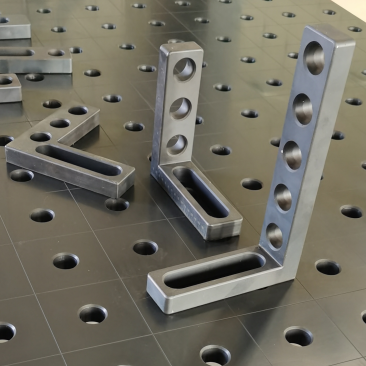
Units featuring precision-drilled hole patterns (such as 16mm or 28mm systems) retain value well due to the high cost of replacement tooling. Brands known for durability see slower depreciation. If a listing includes a set of clamps, stops, or angles, the effective value increases substantially, as these accessories alone can cost hundreds of dollars new.
Industrial and Robotic Welding Stations
At the top end are massive tables designed for robotic arms or heavy industrial assembly. These can range from $2,000 to over $5,000 even when used. The market for these is niche, often involving direct business-to-business transactions.
These tables often include modular capabilities, allowing for reconfiguration. When sourcing a used welding table in this category, verify compatibility with your existing robotic end-effectors or fixturing systems. The sheer weight of these units also impacts logistics costs, which must be factored into the total purchase price.
Comparison: New vs. Used Welding Tables
Deciding between new and used equipment depends on specific project requirements and budget constraints. The following comparison highlights the trade-offs to help you make an informed decision.
| Feature | New Welding Table | Used Welding Table |
| Initial Cost | High ($1,000 – $5,000+) | Moderate to Low ($300 – $2,500) |
| Warranty | Full manufacturer warranty included | Typically sold “as-is” with no warranty |
| Condition | Pristine, no wear, rust, or damage | May show signs of use, surface rust, or minor wear |
| Availability | Subject to manufacturing and shipping lead times | Often available for immediate local pickup |
| Customization | Options for custom sizes and hole patterns | Limited to existing configurations |
| Resale Value | Depreciates immediately upon purchase | Stable; minimal further depreciation if well-maintained |
For startups and small shops, the used welding table option offers a lower barrier to entry. Conversely, high-volume production lines requiring guaranteed tolerances might justify the investment in new equipment to eliminate variability.
Top Brands and Models to Look For
Certain manufacturers have established reputations for building tables that withstand the rigors of daily welding. Knowing which brands hold their value and performance helps narrow your search.
DeWalt and Major Tool Manufacturers
Brands like DeWalt have entered the market with durable, precision-engineered workbenches. A used DeWalt welding table is a popular find due to its smart features like integrated vises and adjustable heights.
- Folding Models: Ideal for fieldwork. Look for the 25 lbs lightweight versions with 26″ x 24″ surfaces. Ensure the folding legs lock securely.
- Portable Models: Heavier units (approx. 35 lbs) with larger surfaces (28″ x 40″) offer more versatility. Check the height adjustment mechanism for smooth operation.
These tables are known for all-steel construction and ergonomic designs. Even used, they often provide superior stability compared to generic imports.
Specialized Fabrication Brands
Companies focusing solely on welding fixtures produce tables with denser hole patterns and thicker tops. These are the “gold standard” for precision work.
When searching for a used welding table from these specialists, look for models with hardened tops that resist spatter adhesion. The resale market for these is active among professional fabricators who upgrade their shops regularly. A well-cared-for unit from a top-tier fabrication brand can perform as well as new for a fraction of the cost.
Robotic and Automation Ready Tables
With the rise of collaborative welding robots in 2026, tables designed for automation are in demand. These feature reinforced frames to handle robot mounting and vibration.
Used robotic tables often come from facilities upgrading to newer cell configurations. They are excellent for shops looking to integrate automation without the full cost of a new cell. Verify the mounting points match your robot’s base plate specifications.
Step-by-Step Guide to Buying a Used Welding Table
Navigating the secondary market requires a systematic approach to avoid pitfalls. Follow these steps to secure a high-quality used welding table.
- Step 1: Define Your Needs: Determine the required size, load capacity, and portability. Will you be welding heavy structural steel or delicate automotive panels? This dictates the necessary table thickness and stability.
- Step 2: Source Listings: Check industrial auction sites, local classifieds, and specialized welding forums. Community insights often reveal sellers who maintain equipment well.
- Step 3: Visual Inspection: Request detailed photos of the tabletop, legs, and underside. Look for cracks, severe rust, or bent components. Ask about the history of usage.
- Step 4: In-Person Verification: If possible, inspect the table personally. Bring a square, a level, and a clamp to test the fit in the holes. Attempt to rock the table to check for leg stability.
- Step 5: Negotiate Based on Flaws: Use any identified issues (surface rust, missing pins, minor warping) to negotiate a lower price. Factor in the cost of any necessary repairs or refinishing.
- Step 6: Arrange Transport: These tables are heavy. Ensure you have adequate vehicle space and lifting assistance. Professional freight may be needed for larger industrial units.
Taking the time to verify condition before payment saves money and frustration in the long run. A thorough inspection is the hallmark of an experienced buyer.
Restoration and Maintenance Tips
Once you have acquired a used welding table, proper restoration can extend its life and improve performance. Most used tables require some level of refurbishment to meet modern standards.
Cleaning and Rust Removal
Surface rust is cosmetic and easily remedied. Use a wire wheel attached to an angle grinder or a flap disc to remove loose scale. For extensive rust, chemical rust converters can stabilize the metal before painting.
Avoid painting the entire tabletop if you plan to weld directly on it, as paint fumes can contaminate welds. Instead, apply a thin coat of anti-spatter spray or leave the bare steel seasoned with a light oil coating to prevent future oxidation.
Flattening the Surface
If minor warping is detected, it can sometimes be corrected. For steel tables, careful heating with a torch followed by controlled cooling (quenching) can shrink stretched metal back into place. However, this requires skill to avoid worsening the distortion.
Alternatively, machining the surface flat is an option for thick tables, though this reduces the overall thickness. For most users, learning to shim workpieces or adjust clamps compensates for minor imperfections without needing aggressive flattening.
Upgrading Fixturing Systems
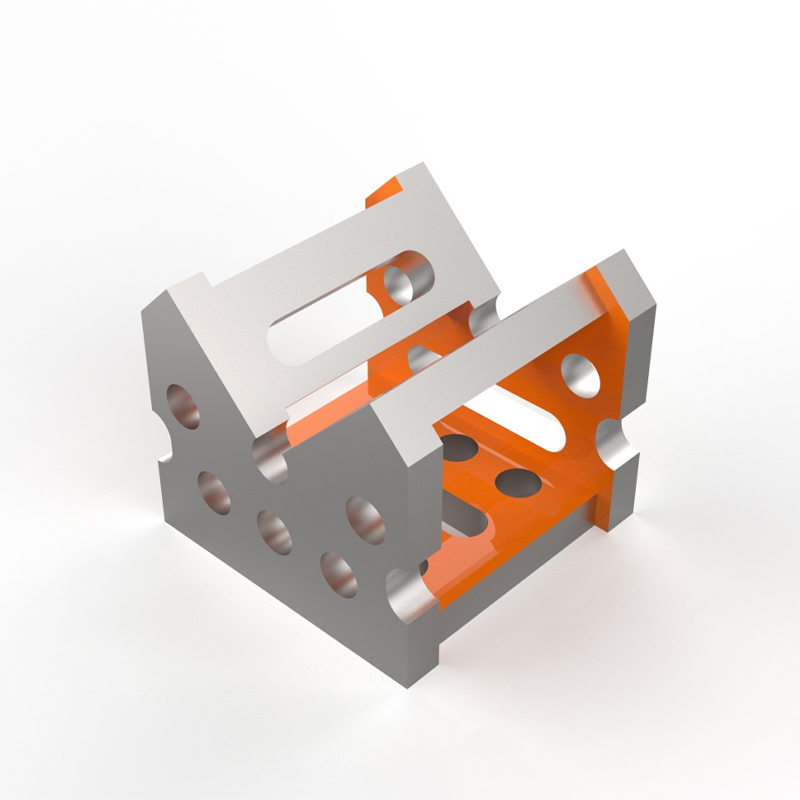
Older tables may lack modern quick-release clamps. Investing in a new set of high-quality stops and angles maximizes the utility of a used table. Ensure the hole pattern matches standard tooling sizes (e.g., 16mm or 5/8 inch).
Regular maintenance includes keeping holes clear of spatter. Using anti-spatter gel on pins before insertion prevents them from welding themselves into the table. This simple habit preserves the precision of the fixturing system.
Common Mistakes to Avoid
Even experienced buyers can overlook critical details when hunting for a deal. Being aware of common pitfalls ensures a smarter purchase.
- Ignoring Weight Capacity: Do not assume a table can handle heavy loads just because it looks sturdy. Check the gauge of the steel and the weld quality. Overloading leads to permanent deformation.
- Overlooking Transport Costs: A cheap table becomes expensive if you need to rent a truck or hire riggers. Always calculate the total landed cost before bidding.
- Dismissing Minor Damage: Small cracks in welds can propagate under stress. What looks like a minor flaw can become a structural failure point during heavy fabrication.
- Buying Without Measuring: Ensure the table fits through your shop doors and into your workspace. Many industrial tables are too large for standard residential garages.
Avoiding these errors protects your investment and ensures the used welding table serves your needs effectively for years to come.
Applications and Real-World Scenarios
A versatile used welding table adapts to various workflows, from hobbyist projects to complex industrial assemblies. Understanding its applications helps justify the purchase.
Automotive and Motorcycle Fabrication
Custom car builders rely on flat tables to align chassis components and exhaust systems. The ability to clamp parts precisely ensures symmetrical builds. A used table with a dense hole pattern is invaluable for holding suspension brackets and frame rails in perfect orientation during tacking and final welding.
Artistic Metalwork and Sculpture
Metal artists benefit from the flexibility of modular fixturing. Complex 3D sculptures require holding pieces at odd angles. A sturdy used table provides the anchor point needed to assemble intricate designs safely. The portability of smaller used models allows artists to move works-in-progress between indoor and outdoor spaces.
Repair and Maintenance Shops
In repair environments, speed is critical. A welding table with integrated vise features or quick-clamp systems reduces setup time. Mechanics use these surfaces to straighten bent frames or fabricate replacement brackets on the fly. The durability of a pre-owned industrial table withstands the abuse of daily repair tasks.
Frequently Asked Questions About Used Welding Tables
Addressing common queries clarifies the buying process and sets realistic expectations for prospective owners.
Is it safe to buy a used welding table online?
Yes, provided you take precautions. Request video calls to see the item in real-time. Use platforms with buyer protection policies. Always verify the seller’s reputation and ask for references if purchasing high-value industrial units.
How much should I spend on a used table?
A reasonable target is 50% of the current new price for a table in good condition. If the table requires significant work (rust removal, flattening), aim for 30-40%. Never pay near-new prices for used equipment unless it includes rare, expensive tooling.
Can I modify a used welding table?
Absolutely. One advantage of buying used is the freedom to modify without voiding a warranty. You can drill additional holes, add shelves underneath, or weld on custom stops. Just ensure modifications do not compromise the structural integrity of the frame.
What is the lifespan of a used welding table?
Steel tables essentially last forever if maintained. A used table bought today can serve another 20 to 30 years. The limiting factor is usually technological obsolescence (e.g., needing different hole sizes) rather than physical failure.
Conclusion: Making the Smart Choice in 2026
The market for a used welding table in 2026 presents a strategic opportunity for fabricators to acquire high-quality equipment at reduced costs. By prioritizing structural integrity, verifying flatness, and understanding current price trends, buyers can secure a workstation that rivals new models in performance.
Whether opting for a portable DeWalt-style unit for mobile jobs or a heavy-duty stationary table for complex assemblies, the key lies in diligent inspection and realistic assessment of needs. The savings gained from buying used can be reinvested into better tools, safety gear, or materials, enhancing overall productivity.
As the industry moves towards more efficient and sustainable practices, extending the life of robust steel equipment through the secondary market is a choice that makes both economic and environmental sense. Equip your shop with confidence by choosing a used welding table that stands the test of time.