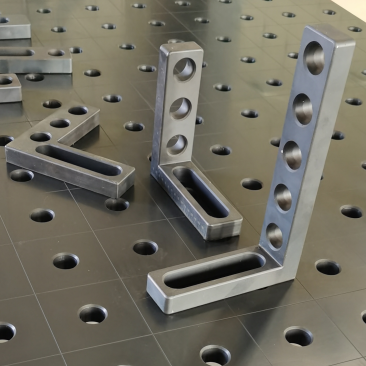
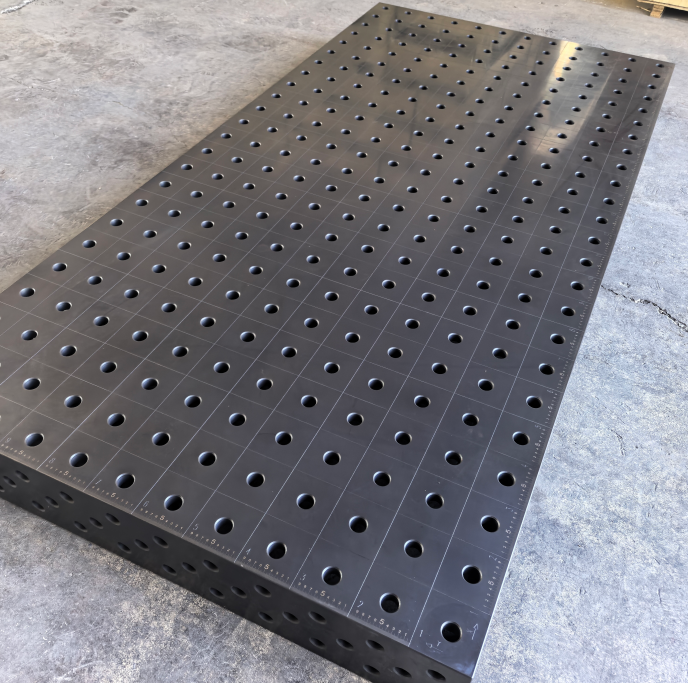
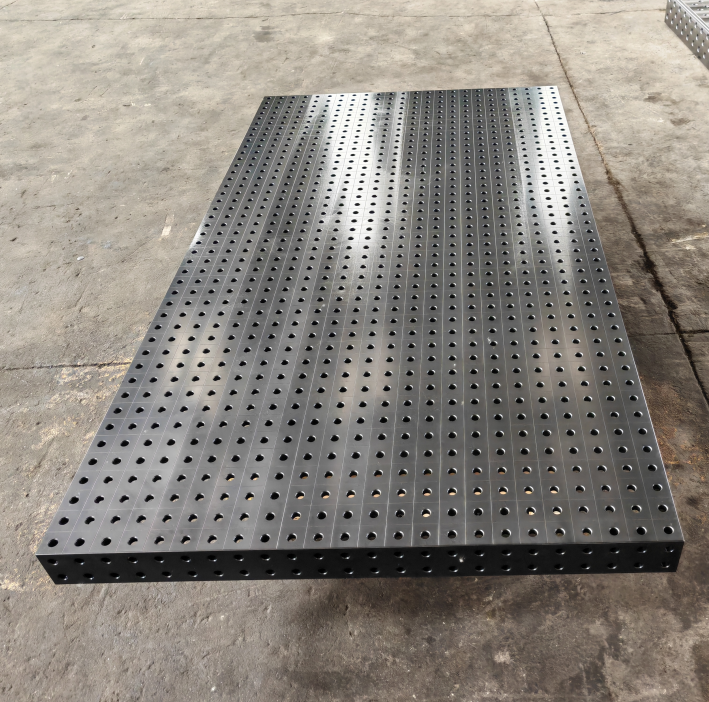
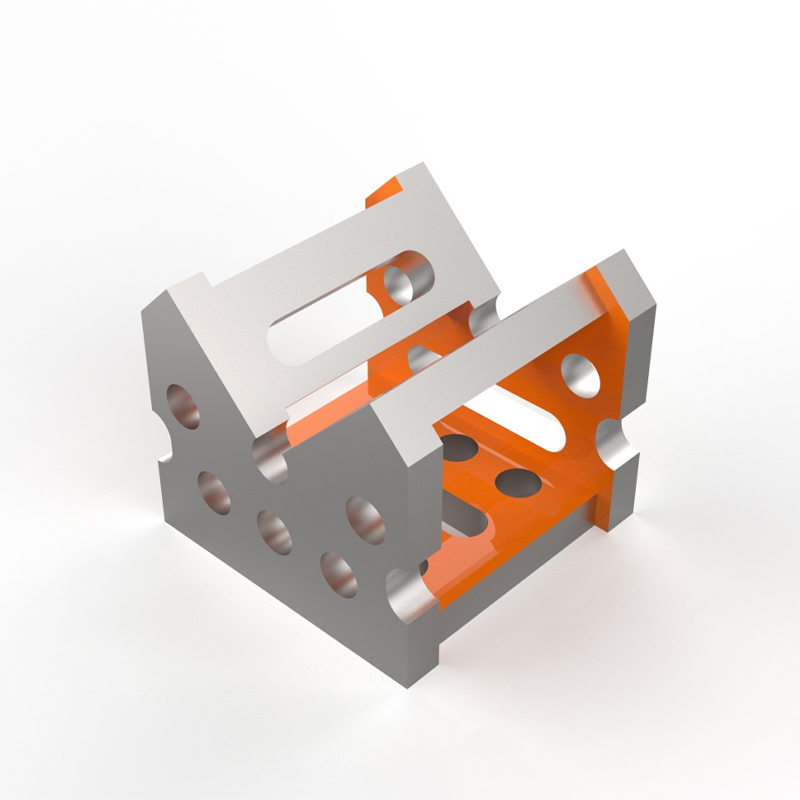
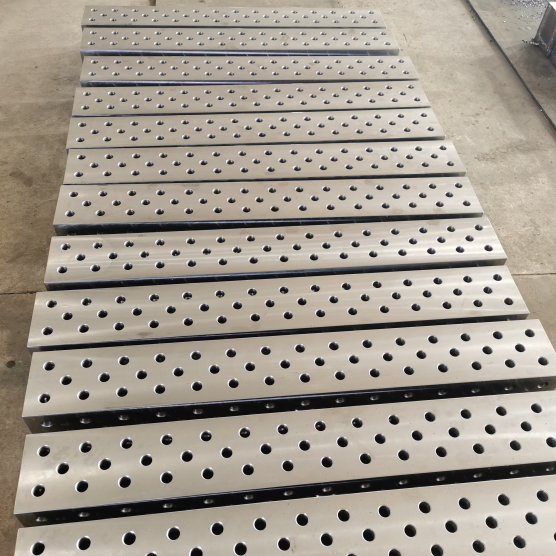
Buying a robotic welding fixture in 2026 requires balancing precision, flexibility, and cost to maximize return on investment. A robotic welding fixture is a specialized holding device designed to position and secure workpieces accurately for automated welding robots, ensuring repeatable quality and high throughput. The best prices and technologies currently come from Chinese manufacturers who integrate advanced vision systems, quick-change mechanisms, and modular designs tailored for industries ranging from automotive to heavy steel construction.
Why Robotic Welding Fixtures Are Critical in 2026
The landscape of industrial automation has shifted dramatically. In 2026, the focus is no longer just on the robot arm itself but on the entire ecosystem that enables it to work efficiently. Robotic welding fixtures have evolved from simple clamps into intelligent interfaces between the digital twin and the physical shop floor.
Recent industry analysis highlights that poor fixturing remains a leading cause of robotic welding installation failures. Even the most advanced robot with AI-driven path planning cannot compensate for a part that shifts by even a fraction of a millimeter during the weld cycle.
- Precision Demand: Modern applications, especially in 3C electronics and EV battery assembly, require tolerances as tight as ±0.015mm.
- Flexibility Needs: Manufacturers are moving away from dedicated hard tooling toward modular fixtures that can handle multiple SKUs with minimal changeover time.
- Data Integration: New fixtures often include sensors to feed real-time data back to the central manufacturing execution system (MES).
Chinese manufacturers have emerged as global leaders in this niche, offering solutions that combine high-end technology with competitive pricing structures that Western competitors struggle to match.
Key Technologies Defining Modern Fixturing
When evaluating a robotic welding fixture supplier in 2026, understanding the underlying technology is crucial. The gap between basic clamping and smart fixturing defines the efficiency of your production line.
Vision-Assisted Positioning Systems
Gone are the days when parts had to be loaded with perfect manual alignment. Leading fixtures now integrate directly with CCD visual positioning systems. These systems allow the robot to “see” the part’s actual position and adjust its welding path dynamically.
This technology is particularly vital for handling variations in stamped or cut components. By combining a 20-megapixel CCD camera with high-rigidity servo modules, modern setups can achieve repeatable positioning accuracy within ±0.005mm. This eliminates the need for ultra-precise manual loading, significantly reducing operator fatigue and error rates.
Quick-Change and Modular Designs
In an era where product lifecycles are shortening, the ability to switch production lines rapidly is a competitive advantage. Advanced fixtures utilize standardized interface plates and pneumatic quick-change couplings.
- Parameter Pre-loading: Systems can store dozens of welding programs and fixture configurations, allowing a complete changeover in under 10 minutes.
- Modular Clamping: Instead of welding custom stops for every new part, engineers use reconfigurable grid systems with adjustable locators.
- Reduced Downtime: This flexibility supports high-mix, low-volume production strategies common in automotive component manufacturing.
Thermal Distortion Compensation
Welding generates intense heat, causing metal to expand and contract, which can lead to significant warping. Top-tier fixtures in 2026 incorporate active cooling channels and adaptive clamping forces.
Some advanced units feature online thermal correction modules that engage immediately after welding. By monitoring temperature via infrared sensors, the fixture can apply counter-pressure or initiate a cooling sequence to maintain straightness within 1mm per meter, drastically reducing secondary straightening operations.
Top Applications Across Industries
The versatility of modern robotic welding fixtures allows them to serve diverse sectors. Understanding specific industry requirements helps in selecting the right configuration.
Automotive and New Energy Vehicles
The automotive sector remains the largest consumer of robotic welding solutions. With the rise of electric vehicles (EVs), the demand for battery tray welding has surged. These components require extreme precision to ensure structural integrity and safety.
Fixtures for EV battery trays often employ laser-resistance hybrid welding compatibility. They must hold thin aluminum or high-strength steel sheets without inducing distortion. The integration of force-feedback sensors ensures that clamping pressure is consistent, preventing gaps that could lead to weld defects.
3C Electronics and Precision Manufacturing
In the consumer electronics space, the scale is smaller, but the tolerance requirements are stricter. Fixtures for welding Type-C connectors or smartphone frames must operate with micron-level accuracy.
Recent deployments show that specialized fixtures in this sector have reduced terminal positioning errors to ≤±0.015mm. This level of precision is achieved through rigid servo-driven locating pins rather than traditional mechanical stops, accommodating the miniaturization trends in tech hardware.
Heavy Steel and Construction
Unlike the precise world of electronics, heavy steel fabrication deals with massive, irregular parts. Here, the challenge is mobility and adaptability. Fixtures for H-beams or large structural nodes must be robust enough to withstand heavy loads while allowing for easy adjustment.
Solutions in this domain often feature self-aligning mechanisms that compensate for the natural variability of hot-rolled steel. The goal is to reduce the reliance on skilled fitters, allowing semi-skilled operators to load large components confidently.
Comparative Analysis: Traditional vs. Smart Fixtures
To make an informed purchasing decision, it is essential to compare traditional hard tooling with the new generation of smart, adaptable fixtures. The following table outlines the key differences impacting operational efficiency.
| Feature | Traditional Hard Fixture | Smart Modular Fixture (2026) |
| Changeover Time | 2+ hours (requires mechanic) | <10 minutes (operator led) |
| Positioning Accuracy | Dependent on part consistency (±0.5mm) | Vision-corrected (±0.015mm) |
| Flexibility | Single part number only | Multiple SKUs via software switch |
| Initial Cost | Lower upfront, high long-term | Higher upfront, lower TCO |
| Maintenance | High wear on mechanical stops | Self-diagnostic sensors |
| Data Connectivity | None | Full MES integration |
The data suggests that while traditional fixtures have a lower initial purchase price, the total cost of ownership (TCO) favors smart modular systems due to reduced downtime and higher first-pass yield rates.
How to Choose the Right Manufacturer in China
China has become the global hub for robotic welding peripherals, hosting hundreds of manufacturers. However, quality varies significantly. Selecting the right partner involves looking beyond the price tag to evaluate technical capability and service support.
Evaluate Technical Depth
Look for manufacturers who demonstrate a deep understanding of welding metallurgy and robotics kinematics. A good supplier will not just sell you a frame; they will analyze your weld joint design and suggest optimal clamping strategies to minimize distortion.
- Ask about Vision Integration: Can their fixtures seamlessly interface with major robot brands and third-party vision systems?
- Check R&D Investment: Companies investing in proprietary algorithms for thermal compensation and path optimization are better positioned for future needs.
- Review Case Studies: Request examples of successful deployments in your specific industry, such as automotive sub-assemblies or structural steel.
Assess After-Sales Support
The complexity of modern fixtures means that occasional adjustments or troubleshooting will be necessary. Ensure the manufacturer offers responsive remote support and has a network of service engineers capable of visiting your site if needed.
Language barriers can sometimes be a challenge, so prioritize suppliers with dedicated English-speaking technical teams. Clear communication regarding spare parts availability and lead times is also critical to maintaining production continuity.
Verify Quality Certifications
Reputable Chinese manufacturers will hold international quality certifications such as ISO 9001. Additionally, look for compliance with safety standards relevant to your region, such as CE for Europe or UL for North America.
Request a factory audit report or a virtual tour to inspect their machining capabilities, assembly processes, and testing facilities. A well-organized factory floor is often a strong indicator of the quality of the products they produce.
Step-by-Step Guide to Implementing a New Fixture
Successfully integrating a new robotic welding fixture into your production line requires a structured approach. Following these steps can help minimize disruption and accelerate time-to-value.
- Step 1: Process Audit: Analyze your current welding process to identify bottlenecks. Measure cycle times, defect rates, and changeover durations to establish a baseline.
- Step 2: Define Requirements: Specify the range of parts the fixture must handle, the required accuracy, and the desired cycle time. Include details about material types and thicknesses.
- Step 3: Supplier Selection: Issue a Request for Proposal (RFP) to shortlisted manufacturers. Evaluate their proposals based on technical fit, cost, and support capabilities.
- Step 4: Design Review: Collaborate with the supplier during the design phase. Validate the 3D models to ensure accessibility for the welding torch and clearance for safety fencing.
- Step 5: Factory Acceptance Test (FAT): Before shipment, conduct a FAT at the manufacturer’s facility. Run sample parts through the fixture to verify performance against specifications.
- Step 6: Installation and Calibration: Upon arrival, install the fixture and calibrate it with your robot system. Perform a Site Acceptance Test (SAT) to confirm operational readiness.
- Step 7: Operator Training: Train your staff on proper loading techniques, safety protocols, and basic troubleshooting procedures to ensure smooth daily operations.
Cost Factors and Pricing Trends in 2026
Pricing for robotic welding fixtures varies widely based on complexity, size, and technological features. Understanding the cost drivers helps in budgeting effectively and negotiating better terms.
Base Material and Machining
The foundation of any fixture is its structural rigidity. High-grade steel or aluminum alloys are commonly used, with costs fluctuating based on global commodity prices. Precision machining of locating surfaces and bores adds significantly to the cost but is essential for achieving tight tolerances.
Manufacturers using advanced CNC centers and coordinate measuring machines (CMM) for quality control typically charge a premium, but this investment pays off in reduced rework and longer fixture life.
Automation Components
The inclusion of pneumatic or electric actuators, sensors, and quick-change modules drives up the price. Electric servo clamps, for instance, offer finer control than pneumatic ones but come at a higher cost.
However, the trend toward electrification is growing due to the energy savings and cleaner operation (no air leaks). In 2026, the price gap between high-end pneumatic and entry-level electric systems is narrowing, making electrified fixtures more accessible.
Software and Engineering Services
Custom engineering design and software programming represent a significant portion of the total cost. Complex fixtures requiring simulation of weld sequences or integration with plant-wide networks involve substantial engineering hours.
Some manufacturers offer standardized “catalog” fixtures at lower prices, which can be a cost-effective solution for common applications. For unique or highly complex parts, custom design remains the necessary route.
Pros and Cons of Sourcing from China
Sourcing robotic welding fixtures from China offers distinct advantages but also presents challenges that buyers must navigate carefully.
- Pros:
- Cost Efficiency: Labor and manufacturing overheads in China are generally lower, resulting in competitive pricing without sacrificing quality.
- Supply Chain Ecosystem: Access to a complete supply chain for components like motors, sensors, and steel reduces lead times.
- Rapid Innovation: Chinese manufacturers are quick to adopt new technologies like AI vision and collaborative robotics features.
- Scalability: Suppliers can easily scale production up or down to meet fluctuating demand.
- Cons:
- Intellectual Property Risks: Protecting proprietary designs can be challenging; robust legal agreements are essential.
- Communication Barriers: Time zone differences and language nuances can sometimes lead to misunderstandings in technical specifications.
- Logistics Complexity: Shipping large, heavy fixtures involves complex logistics and potential customs delays.
- Quality Variance: The market includes both top-tier exporters and low-quality workshops; due diligence is critical.
Future Trends: What to Expect Beyond 2026
The evolution of robotic welding fixtures is far from over. As artificial intelligence and digital twin technologies mature, we can expect even smarter and more autonomous fixturing solutions.
AI-Driven Adaptive Clamping
Future fixtures will likely employ AI algorithms to predict part deformation in real-time. By analyzing historical data and current sensor inputs, the system could automatically adjust clamping forces at different stages of the weld cycle to counteract thermal distortion proactively.
Digital Twin Integration
The concept of the digital twin will extend to fixturing. Virtual replicas of fixtures will allow engineers to simulate welding processes, optimize clamp positions, and predict maintenance needs before physical implementation. This will further reduce setup times and improve first-time-right rates.
Collaborative Robot Compatibility
As collaborative robots (cobots) gain traction in welding, fixtures will need to be designed with human safety in mind. This includes rounded edges, soft-touch materials, and integrated safety sensors that stop the robot if a human hand enters the danger zone.
Frequently Asked Questions
What is the typical lead time for a custom robotic welding fixture from China?
Lead times vary depending on complexity. Standard modular fixtures can often be shipped within 4-6 weeks. Custom-designed fixtures with complex automation may take 8-12 weeks from order confirmation to delivery, including design approval and factory acceptance testing.
Can Chinese manufacturers support non-standard robot brands?
Yes, most reputable manufacturers are brand-agnostic. They design fixtures with universal mounting interfaces and can program controllers to communicate with major robot brands like Fanuc, ABB, KUKA, Yaskawa, and emerging Chinese brands like Efort or Jaka.
How do I ensure the fixture meets my local safety standards?
Clearly specify your safety requirements (e.g., CE, OSHA) in the initial RFQ. Reputable suppliers will design the fixture with appropriate guarding, emergency stops, and two-hand controls. Request certification documents and consider a third-party inspection before shipment.
Is it possible to upgrade an existing fixture with new technology?
In many cases, yes. Modular fixtures are designed for upgradability. You can often add vision cameras, swap out clamping modules, or update the control software without replacing the entire base structure. Consult with the manufacturer to assess feasibility.
Conclusion: Making the Right Investment
Investing in a high-quality robotic welding fixture is a strategic decision that impacts productivity, quality, and profitability for years to come. In 2026, the technology available offers unprecedented levels of precision and flexibility, transforming welding from a manual art into a data-driven science.
Chinese manufacturers stand out as key partners in this journey, providing cutting-edge solutions at competitive prices. By focusing on suppliers who prioritize innovation, quality assurance, and customer support, businesses can unlock the full potential of their robotic welding cells.
Whether you are upgrading an existing line or building a new smart factory, the right fixture acts as the cornerstone of success. It bridges the gap between theoretical efficiency and real-world performance, ensuring that every weld is perfect, every time. Take the time to evaluate your needs, understand the technology, and choose a partner who shares your commitment to excellence.