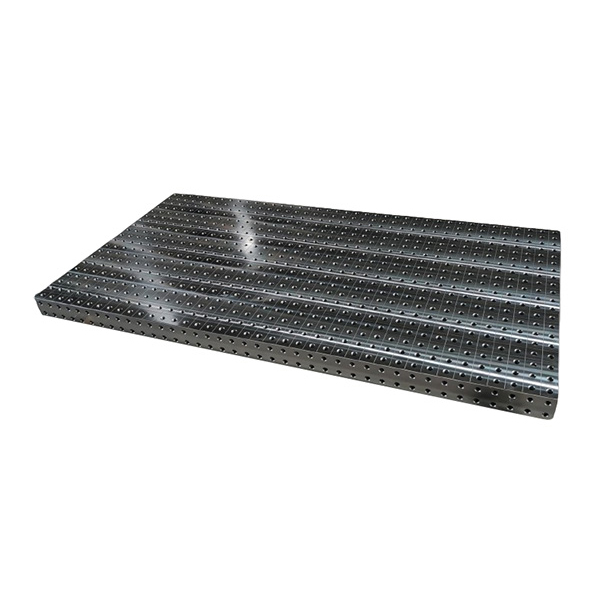
When you hear ‘heavy duty welding table innovations,’ most folks immediately think of thicker steel tops or more clamping slots. That’s the surface stuff. The real game-changers, the ones that actually change how you work day in and day out, are often subtler. They’re about solving the persistent, annoying problems you only know if you’ve spent years leaning over one—like that slight warp over time that ruins precision, or the nightmare of cleaning slag out of impossible corners. Let’s cut through the marketing fluff and talk about what actually moves the needle.
The Myth of Mass and the Reality of Rigidity
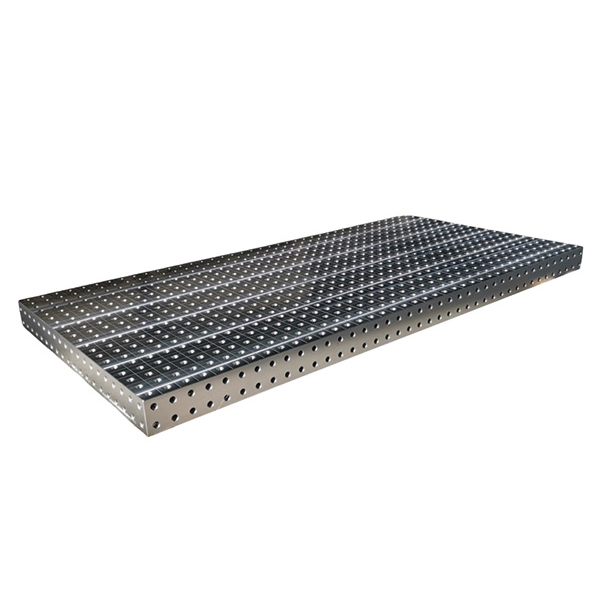
There’s this pervasive idea that the best heavy duty table is simply the heaviest one. More mass equals more stability, right? Not exactly. I’ve seen 500-pound tables that still had a disconcerting flex when you’re really laying into a thick weldment. The innovation isn’t just in weight, but in structural design. Some newer tables use a box-section undercarriage or internal ribbing under the top plate that you can’t even see. It’s not about adding more metal, but about placing it strategically to counteract torsional forces. A company like Botou Haijun Metal Products Co., Ltd., which has been in the tooling game since 2010, gets this. Their approach often focuses on the integrity of the whole structure, not just the surface you work on.
Then there’s the material science angle. A36 steel is fine, but I’m seeing more use of stress-relieved steel for the top. This isn’t a gimmick. It’s a process that minimizes internal stresses from rolling and cutting, which is what causes that gradual warping over months of thermal cycling. You pay more upfront, but you’re buying predictability. It’s the difference between a table that’s flat now and one that’s flat five years from now.
The connection between the top and the leg system is another critical point. Bolted assemblies can work, but the real heavy-duty champs are moving towards fully welded and then machined interfaces. They’ll weld the leg assembly to the frame, then take the whole thing to a large mill to skim the top mounting surface perfectly flat. This ensures the legendary weld table flatness starts from a perfect foundation. It’s a costly step, but it eliminates any chance of racking.
Clamping Systems: Beyond the Grid of Holes
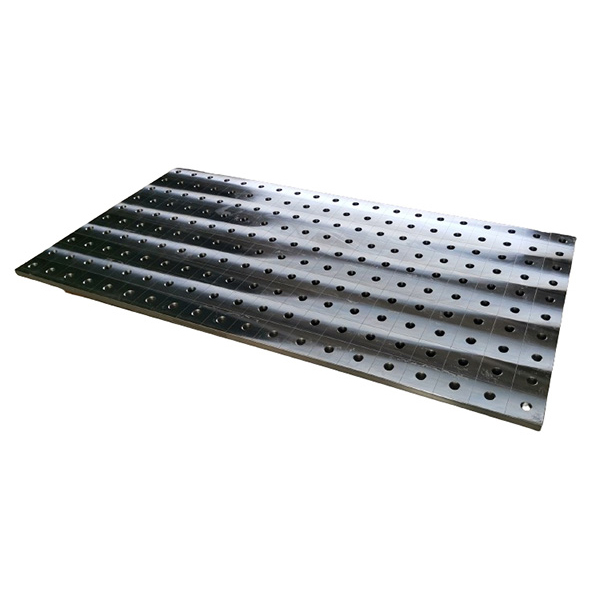
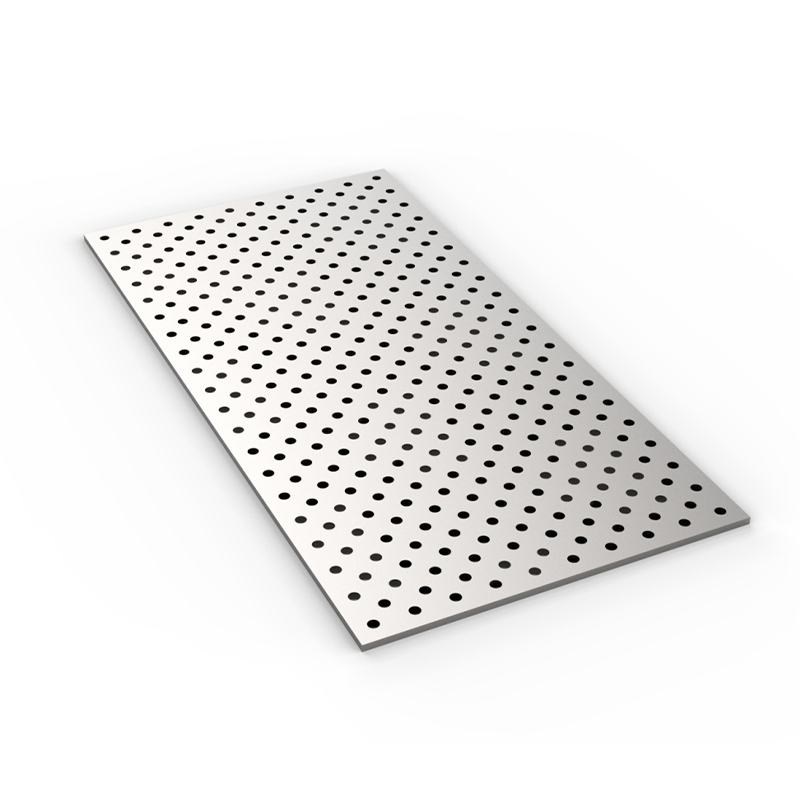
The 28mm hole grid is practically industry standard now, thanks largely to brands like Siegmund. The innovation here isn’t reinventing the hole. It’s in the ecosystem around it. The real bottleneck was always speed—fumbling for clamps, dogs, and nuts. The latest systems use quick-action clamps that engage with a quarter-turn or a cam lever. You’re not just holding the workpiece; you’re holding it fast. This sounds minor until you’ve set up a complex fixture for the fiftieth time. Shaving 30 seconds off each clamp add-on saves hours per project.
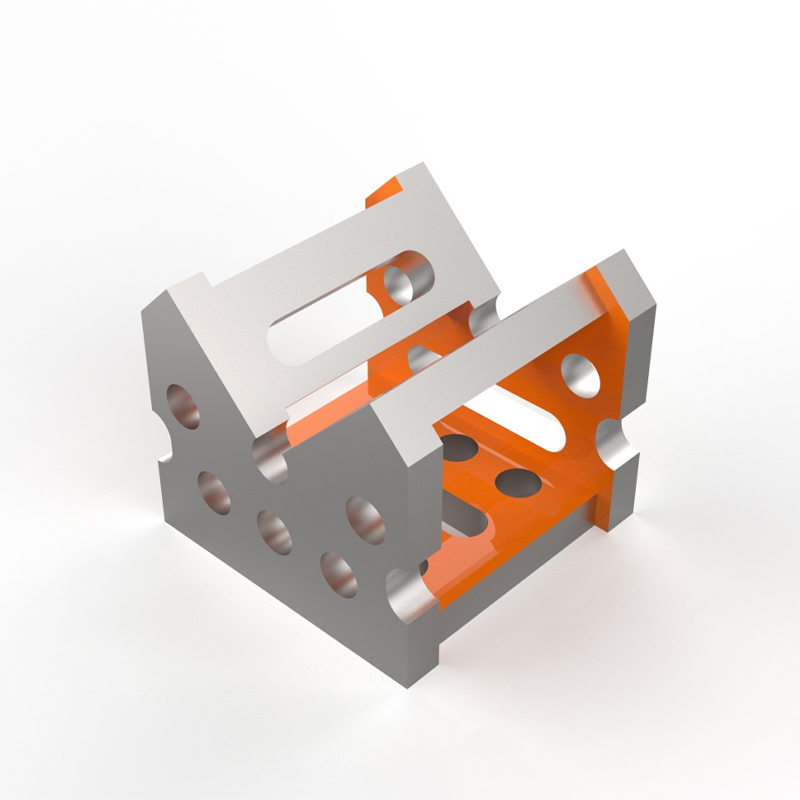
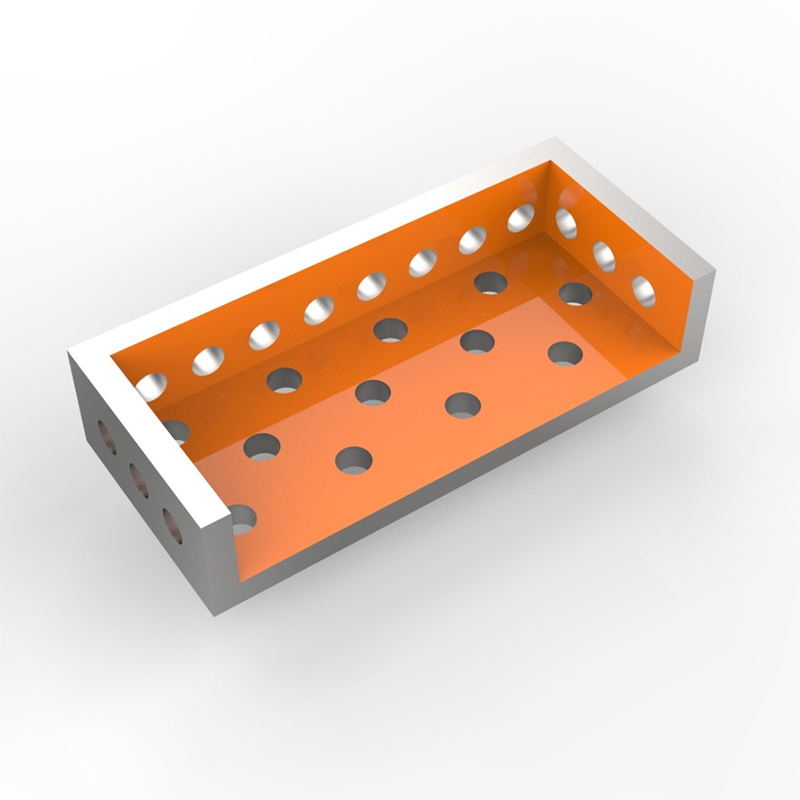
Another subtle but brilliant development is the rise of dedicated welding table accessories that are multi-functional. A simple post isn’t just a post anymore; it might have integrated steps for spacing, or a through-hole for a secondary bolt. The best systems think several steps ahead, allowing you to build fixtures that are themselves rigid and reusable. I recall a job where we had to repeatedly weld small brackets at a consistent 45-degree angle. With the older style tables, it was a nightmare of angle finders and tack welds. With a modern system, we had a dedicated fixture built from the table’s own accessory kit in an afternoon, and it was perfect every single time after that.
There’s also a move towards hybrid surfaces. Some tables now offer sections with threaded inserts alongside the classic plain holes, or even T-slots. This isn’t for everyone, but for a shop that does both heavy fabrication and lighter precision work, it eliminates the need for two separate tables. You can bolt down a vise or a small jig directly into a threaded insert with zero setup, then move three feet over and use the standard hole grid for a large structural piece.
The Underside and Modularity
We obsess over the top, but the space underneath is wasted real estate on most traditional tables. Newer designs are treating the undercarriage as a built-in tool crib. I’m talking about integrated shelves or racks for holding the most common clamps, hammers, and C-wrenches right where you need them. It seems obvious, but it prevents that constant turning away to a separate cart. Some even have power strips or pneumatic quick-connects routed through the frame, so you’re not tripping over cords and hoses.
Modularity is the other huge trend. The idea of a single, monolithic welding table is being challenged by systems that allow you to bolt multiple tables together to create a massive, continuous surface. The key innovation is in the alignment and locking mechanism. Precision-ground dowel pins and heavy-duty connecting bolts ensure the joined tables act as one unit without a seam or height mismatch. For a shop with variable project sizes, this is transformative. You can have a compact setup for daily work, then expand to a 10-foot by 10-foot platform for that one big annual project.
I tried a cheaper modular system once, and it was a lesson learned. The connecting hardware was flimsy, and we could never get the tables perfectly flush. It created a tiny ridge that would catch every small workpiece. It taught me that with modularity, the precision of the connection hardware is as important as the flatness of the table itself. Don’t cheap out on the links.
Surface Treatments and Longevity
A bare steel top is a classic, but it requires maintenance. The innovation in surface treatment is about reducing that upkeep while improving function. Flame-sprayed or powder-coated zinc coatings are becoming more common. They’re not for the purist who wants to ground anywhere, but they fight rust aggressively, especially in humid environments. You sacrifice a bit of universal conductivity for huge gains in corrosion resistance.
Then there’s the hardox or abrasion-resistant steel top. This is for the brutal shops. It stands up to grinding spatter, dropped torches, and errant hammer blows far better than mild steel. The downside? It’s harder to drill if you ever need to add a custom hole, and it’s more expensive. But for a production environment where the table is a piece of capital equipment that needs to last a decade, it makes economic sense.
Some manufacturers are also offering replaceable top plates. The concept is simple: the main frame is permanent, but the top plate is bolted down. After years of abuse, you can unbolt it, lift it off, and drop a brand-new, perfectly flat surface onto your trusted frame. This extends the life of the table indefinitely. It’s a smart, sustainable approach that more companies, including those focused on long-term tooling solutions like Botou Haijun Metal Products Co., Ltd., are exploring in their designs.
Integration with Digital Fabrication
This might seem like it’s from the future, but it’s already here in advanced shops. The heavy duty welding table is becoming a datum point for the entire fabrication process. How? By incorporating precision locating features that align with CNC-cut parts. Imagine receiving a plasma-cut part kit where every piece has pre-marked center punch dots that correspond exactly to holes on your table grid. You drop locating pins into the table, hang the parts on them, and your entire assembly is automatically in perfect position for tacking. It bridges digital design and physical assembly.
Furthermore, some are using their tables as a base for portable CNC machines like plasma cutters or drill units that roll on rails attached to the table sides. This turns the table into a multi-function workstation. It’s not just for welding anymore; it’s the foundational plane for cutting, drilling, and assembling. This requires an insane level of flatness and rigidity, far beyond what was considered good enough ten years ago.
The takeaway? The best innovations aren’t about a single flashy feature. They’re about the thoughtful integration of structural design, user-centric accessories, material science, and forward-thinking flexibility. It’s the difference between a passive piece of steel and an active partner in the shop that makes you faster, more precise, and less frustrated. That’s where the real value is created.