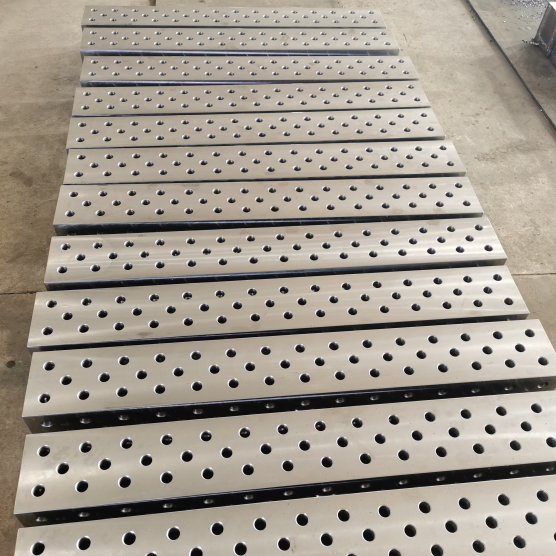
When you hear ‘innovation’ and ‘welding table’ together, most folks immediately picture some sci-fi robotic arm setup or a table with a built-in AI assistant. That’s a common trap. Real innovation in this space isn’t about adding complexity for the sake of it. It’s about solving the persistent, gritty problems that welders face daily—fixturing, material handling, heat distortion, and workspace adaptability. The goal isn’t to create a showpiece; it’s to build a foundational tool that genuinely expands what’s possible in the shop, from one-off custom jobs to small-batch production. Let’s cut through the hype.
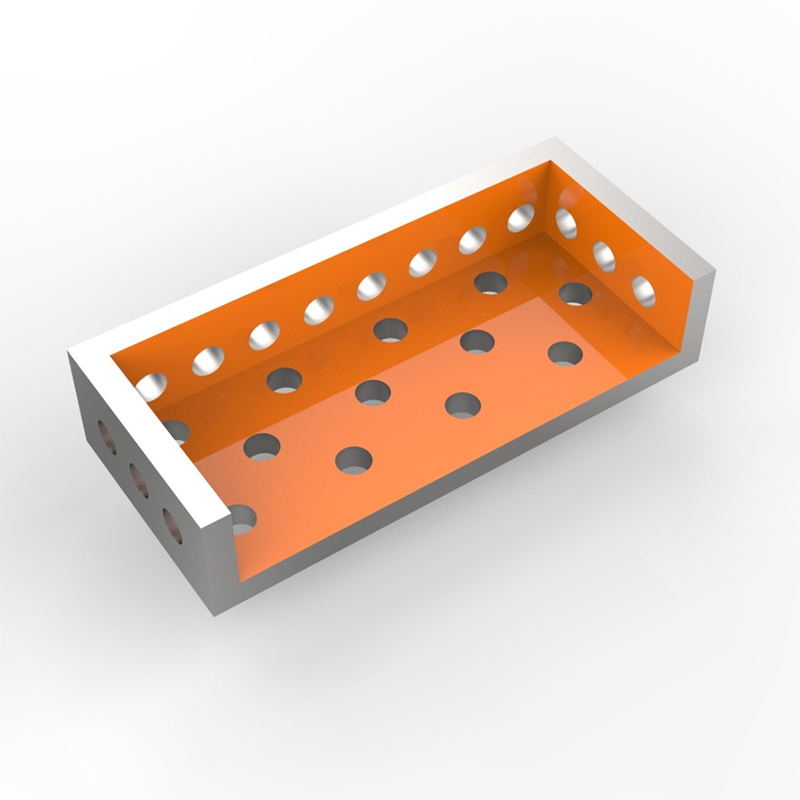
Rethinking the Flat Plate Paradigm
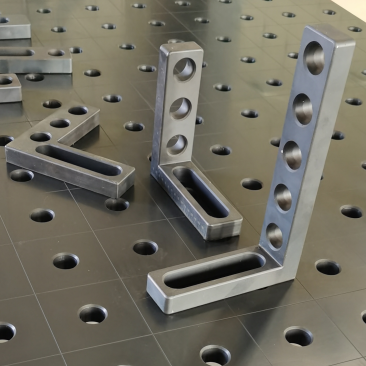
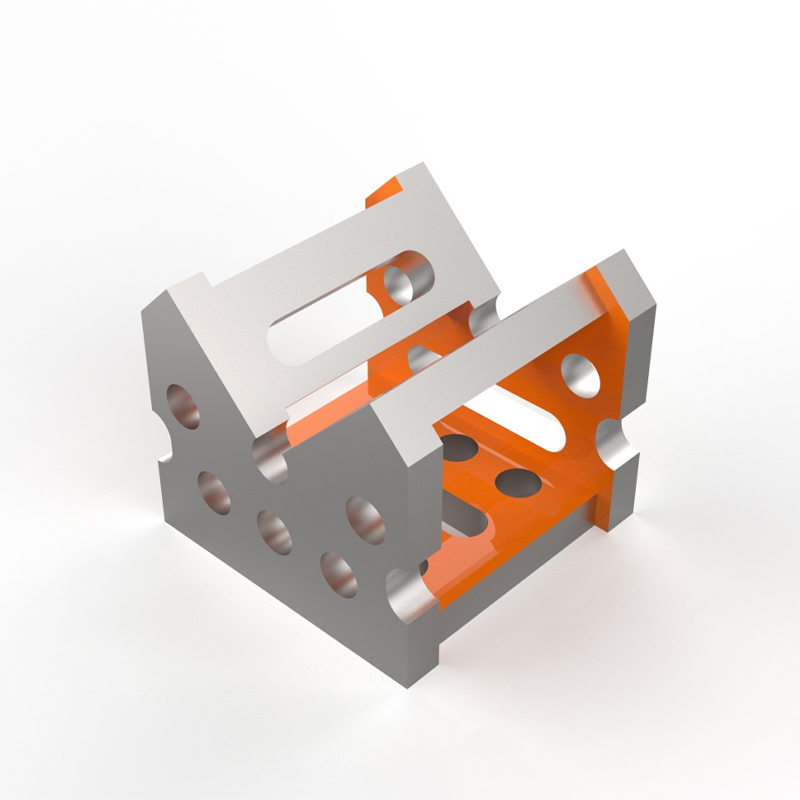
The standard grid of holes is a starting point, not an end point. The real limitation isn’t the pattern itself, but how you interface with it. We’ve all struggled with clamping odd angles or thin sheet metal that just wants to buckle. The innovation here is in the accessory ecosystem. Kuv tau sim ib qho system los ntawm cov chaw tsim khoom, Botou Haijun Hlau Khoom Co., Ltd. (koj tuaj yeem tshawb xyuas lawv txoj hauv kev ntawm haijunmetals.com), that focuses on low-profile, magnetic edge clamps and adjustable hinge-type hold-downs. Their stuff isn’t flashy, but the precision in the machining means repeatable setups. That’s key. Established in 2010, their focus on tools and gauges shows—they think about measurement and repeatability from the start, which is where true table utility lives.
Where projects often fail is by over-designing the table top itself. Kuv ib zaug pom ib qho qauv nrog hydraulic tilting mechanism embedded nyob rau hauv tus ncej. Impressive engineering, but the heat from welding near the seals was a disaster. The lesson? Keep complex mechanics away from the primary heat zone. Innovation should be modular. Think of the table as a bedrock; the smart components should bolt on or attach magnetically, so they can be replaced or upgraded without scrapping the entire unit.
Kev hloov maj mam tab sis loj hloov pauv los ntawm tsuas yog clamping mus integrated fixturing. Qhov no txhais tau hais tias tsim cov ntaub ntawv pov thawj txoj cai rau hauv lub rooj cov txheej txheem. Imagine having precisely machined shoulders on the inside of the leg frames, so when you drop in a removable plasma cutting slat bed or a water tray for aluminum work, it’s automatically squared. It eliminates a half-hour of setup and checking with a square. That’s a productivity innovation that doesn’t get a press release but gets used every single day.
Khoom thiab Thermal Management raws li ib tug tseem ceeb feature
Nobody talks enough about heat sinking. A massive cast iron top is great for stability, but it soaks up heat and turns your whole table into a radiator, affecting the entire workpiece over time. Rau innovation tej yaam num, saib ntawm cov khoom sib xyaw ua ke: ib daim tawv nqaij steel hla lub honeycomb aluminium core. It stays remarkably flat because the heat dissipates differently, and it’s lighter. The challenge is cost and ensuring the steel surface has the proper hardness to resist indentation from hammering.
Then there’s slag and spatter. A non-stick coating sounds like a gimmick until you’ve spent an hour chipping spatter off a standard table. Ceramic-based coatings are getting better. The trick is finding one that withstands not just heat but also mechanical abrasion from grinding and scraping. I’ve had mixed results; some peel at the edges after a year. The successful approach I’ve seen involves a textured, hard-anodized layer on aluminum slats, which is replaceable. It’s not a perfect solution, but it acknowledges that the work surface is a consumable item.
Modularity extends to managing waste. Ib txoj haujlwm tshiab ntawm lub rooj zaum yuav muaj qhov tshem tau qis qis uas tsim los tsis yog rau kev khaws cia, tab sis raws li lub tshuab cua ntsawj ntshab. Hook a flexible duct to it, and it pulls fumes and particulate down and away from your breathing zone, much more effectively than an overhead hood when you’re working on open frames. It’s a simple integration of shop infrastructure into the table’s form.
Lub luag haujlwm saib xyuas ntawm Subframe thiab Mobility
Stability is everything. Cov qauv yog mus rau lub luag hauj lwm hnyav casters, tab sis lub innovation yog nyob rau hauv lub xauv mechanism. A caster that drops a solid foot to the floor is good. One that does it with a single foot pedal and also slightly lifts the wheel off the ground is better. Nws hloov lub rooj los ntawm lub laub txawb mus rau cov kob bedrock hauv vib nas this. Kuv nyiam qhov tsim qhov twg lub tshuab nqa yog cov neeg kho tshuab nkaus xwb - tsis muaj cua lossis hydraulics ua tsis tiav.
The subframe isn’t just a leg assembly. It’s prime real estate for utilities. I’ve worked on projects where we ran 1/2 NPT conduit through the rectangular tubing of the legs, with access ports at standard heights. This lets you pipe compressed air, argon, and even 110V power to the center of the table without hoses and cords snaking across the floor. Nws zoo nkaus li pom tseeb, tab sis nws yuav tsum tau npaj txoj hauv kev sab hauv kom tsis txhob kinks thiab tso cai rau kev saib xyuas yav tom ntej. Companies focused on tool systems, like the aforementioned Botou Haijun, often have the mindset to develop these integrated utility solutions, as their core business is about enabling precise work.
One failed experiment of mine involved putting a small, vibration-damped tool drawer in the subframe. The idea was to keep calipers, scribes, and center punches right at hand. Failure. The fine metal dust from grinding and welding infiltrated everything. Zaj lus qhia yog tias txhua qhov chaw khaws cia hauv thaj chaw lub rooj yuav tsum tau muab kaw tag nrho, lossis tsuas yog tsis nco qab nws thiab siv lub laub cais.
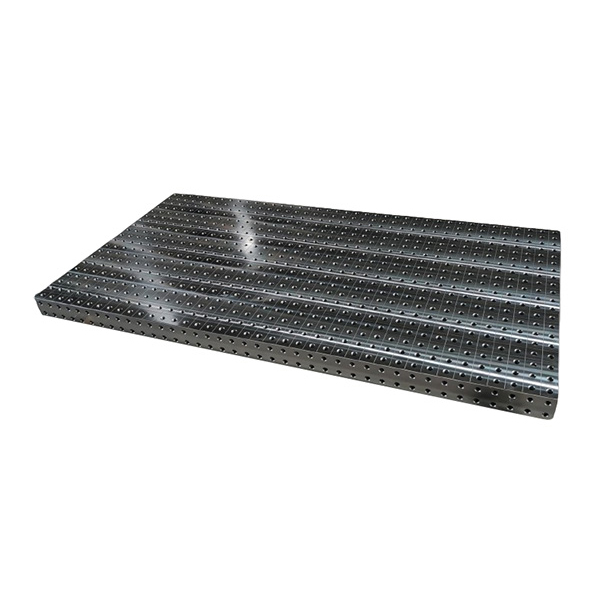
Digital Integration: Qhov twg Nws Pab Tau tiag
Let’s be skeptical. Tso lub ntsiav tshuaj rau ntawm lub rooj vuam tsis yog kev tsim kho tshiab. Useful digital integration is about bridging the physical and digital design world. The most practical project I’ve been involved with used a simple, laser-projected layout system. Ib chav nyob rau ntawm lub qab nthab tuaj yeem tsim cov ntaub ntawv DXF ncaj qha mus rau ntawm lub rooj saum npoo, qhia cov kab txiav, qhov chaw, thiab khoov kab. Nws tshem tawm cov qauv ntawv thiab soapstone kos npe rau qhov nyuaj. Cov vuam rooj tau los ua lub dav hlau sau npe rau cov ntaub ntawv digital.
Lwm lub kaum sab xis yog cov ntaub ntawv kaw rau kev tswj cov txheej txheem. Imagine small thermal sensors embedded in the table top (away from direct arcs) that log ambient table temperature over the course of a large weldment. This data, correlated with your weld parameters, can give insights into heat input management and distortion control, especially for sensitive alloys. It’s a background tool, not something you interact with constantly, but it builds a knowledge base over time.
The key is that any digital add-on must be brutally protected. Screens need heavy polycarbonate covers, connectors need to be industrial and dust-tight, and everything must be easy to bypass if it fails. The table is a harsh environment. If the tech can’t survive there, it doesn’t belong.
Customization vs. Standardization: The Builder’s Dilemma
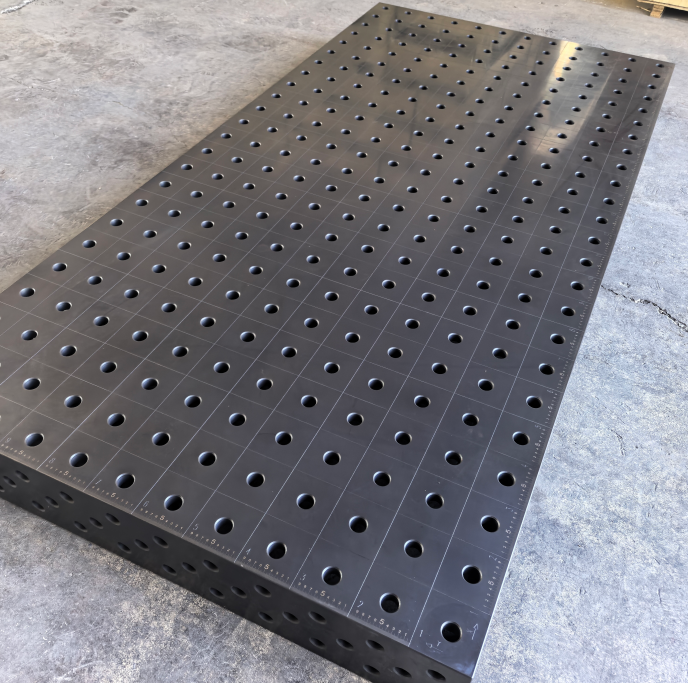
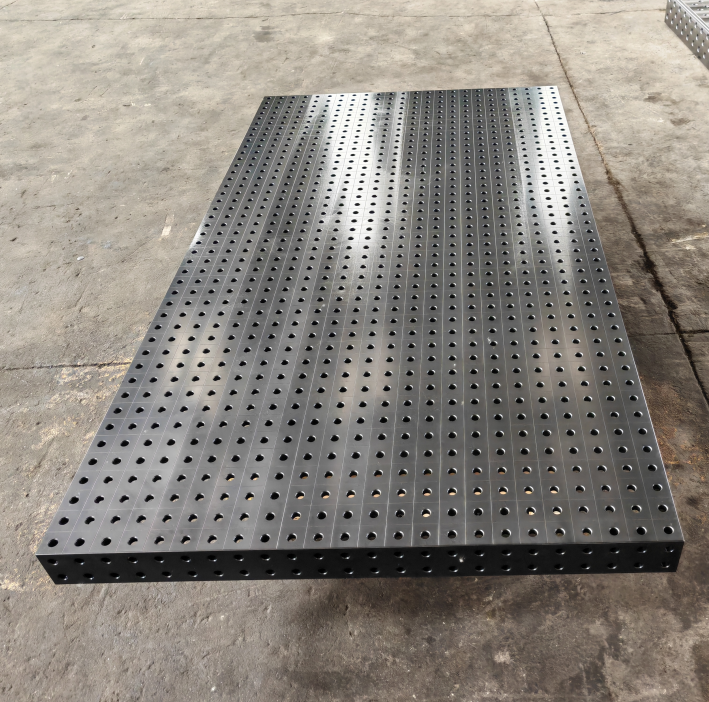
Qhov no yog lub hauv paus nro. Rau ib lub tsev gamer lossis lub khw tshwj xeeb fab, qhov kawg qhov project tshiab tej zaum yuav yog lub rooj kev cai tag nrho nrog cov cuab yeej mounts rau lawv cov khoom tshwj xeeb. Tab sis rau kev tsim kho tshiab kom nthuav dav, nws xav tau cov ntsiab lus ntawm kev tsim qauv. Cov tshuab ua tau zoo tshaj plaws, zoo li European-style modular fixturing, siv cov qauv kab sib chaws (xws li 28mm qhov) kom muaj ntau yam ntawm peb tog clamps thiab cov cuab yeej ua haujlwm nrog nws.
Lub sijhawm tiag tiag uas kuv pom yog hauv kev tsim tus qauv chassis - lub subframe thiab txhais ceg system - nrog rau kev sib tshuam sab saum toj. You could bolt on a standard slatted top, a solid plate for heavy machining, a copper-backed top for aluminum, or even a composite wood top for temporary assembly work. This turns the welding table from a single-purpose tool into the central platform of the workshop. Its identity is defined by the top module you choose that morning.
This isn’t just theory. We’re moving towards this in prototyping. The value isn’t in selling a single perfect table; it’s in creating a system where the table can evolve with the shop’s needs. The innovation is in the interface specifications—the bolt patterns, the electrical and pneumatic quick-connects, the datum locations. Get those right, and you build a platform for a decade of future tools, some of which haven’t even been invented yet. That’s the kind of project that moves the needle from being just a better table to being the smartest investment on the shop floor.