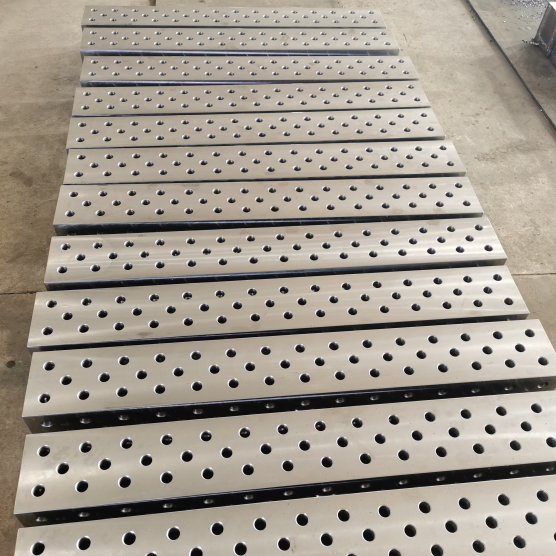
Thaum peb tham txog sustainability nyob rau hauv cov ntsiab lus ntawm hlau fabrication, a vuam rooj ntawm lub log tej zaum yuav tsis yog thawj yam uas los rau hauv siab. Txawm li cas los xij, nws tsim nyog xav txog yuav ua li cas cov cuab yeej zoo li no yooj yim tuaj yeem ua rau muaj kev cuam tshuam ntau dua li kev coj ua hauv kev cob qhia. Let me unpack this a bit, drawing from both industry trends and personal experience on the shop floor.

Mobility sib npaug Efficiency
Hauv kuv lub xyoo ua haujlwm nrog kev teeb tsa, ib qho ntawm cov khoom koj kawm sai sai yog tus nqi ntawm qhov chaw ua haujlwm yooj yim. A vuam rooj ntawm lub log provides that flexibility, allowing workers to rearrange their space according to immediate needs. It’s a concept that can contribute to sustainability indirectly. Lub sijhawm tsawg dua koj siv cov ntaub ntawv txav mus los, lub zog ntau dua koj txuag, ob qho tib si hauv tib neeg kev ua haujlwm thiab tejzaum nws muaj zog-intensive forklifts thiab cranes.
Take, for example, a small shop I consulted with a while back. They struggled with space, always having to shuffle projects around. Bringing in mobile welding tables transformed their workflow. Lawv txo qis lub sijhawm tuag tseem ceeb, uas tseem txhais tau tias cov tshuab tau ua haujlwm tsawg dua qhov tsis tsim nyog, txuag rau ob qho tib si nqi zog thiab hnav thiab tsim kua muag.
Efficiency in a workspace isn’t just about better productivity; nws yog hais txog kev siv lub zog ntse dua. Although this might seem like a small scale improvement, the cumulative effect over time can be significant. It’s often in these less obvious areas where you find real gains in sustainability.
Kev txiav txim siab ntawm cov khoom siv
Another angle to consider is the materials used in making these tables. Tuam txhab uas muag nyiam Botou Haijun Hlau Khoom Co., Ltd., tsim nyob rau hauv 2010 nyob rau hauv Hebei xeev, yog keenly paub txog qhov no. Lawv tau tsom mus rau kev tshawb fawb thiab kev tsim cov cuab yeej uas tsis yog siv tau xwb tab sis kuj siv tau ntev. Lub rooj zoo tsim, ntev ntev yog, los ntawm nws qhov xwm txheej, ntau tus phooj ywg hauv eco. Qhov tsawg zaus nws xav tau hloov, cov peev txheej tsawg dua tau siv dhau nws lub neej.
Ntawm Botou Haijun, Kuv tau pom ua ntej yuav ua li cas xaiv cov hlau, cov txheej txheem ntawm kev tsim khoom, thiab txawm tias tus qauv tsim kom yooj yim ntawm kev tshem tawm tag nrho ua rau muaj kev ruaj ntseg. It’s not just about the immediate ecological footprint but also about long-term usability and recyclability.
Tau koom nrog hauv kev xaiv thiab tsim cov txheej txheem, kuv tuaj yeem qhia koj tias kev siv sijhawm los txiav txim siab txog cov xwm txheej no tuaj yeem muaj kev cuam tshuam loj. Ntau lub khw saib qhov no ntawm lawv qhov kev phom sij, ua rau muaj kev hloov pauv ntau zaus thiab thaum kawg pov tseg ntau dua.
Txo cov pov tseg
Incorporating ib vuam rooj ntawm lub log kuj tuaj yeem pab txo cov khib nyiab. Many might not immediately grasp this connection, but consider the ease of cleaning and maintenance. When you can wheel a table outside or to a designated cleaning area, you’re more likely to maintain a cleaner workspace. This reduces contamination and prolongs the life of everything in that environment—from equipment to the welders themselves.
There was a time in my working years when the cleaning rituals were tougher due to immobile setups. Lub grime thiab clutter piled sai. With mobility, cleaning became a more regular and less dreaded task. This subtle improvement had surprising downstream effects, including less personal protective equipment wastage and improved air quality.
Maintaining cleanliness isn’t just a matter of aesthetics. Cleaner spaces mean less cross-contamination and longer-lasting equipment and materials, an often-overlooked sustainability aspect.
Nqi-Effectiveness Aligns nrog Eco-friendliness
It might sound surprising, but there’s often a strong alignment between cost-effectiveness and eco-friendliness. Kev nqis peev hauv ib vuam rooj ntawm lub log tuaj yeem zoo li pricey upfront, tab sis thaum xav txog kev txuag nyiaj mus sij hawm ntev hauv lub zog, kev ua haujlwm, thiab cov ntaub ntawv, cov txiaj ntsig ntawm ecological thiab kev lag luam sai ntxiv.
Hauv ib qhov chaw uas kuv tau ua haujlwm nrog, tom qab xam qhov kev txuag nyiaj los ntawm kev siv hluav taws xob tsawg thiab kev ua haujlwm tau zoo, thawj zaug peev hauv cov rooj txawb tau them sai dua li qhov xav tau. Qhov no tsis yog kev xyaum theoretical xwb; it translated directly into lower bills and reduced resource consumption.
Ib lo lus rau cov neeg txawj ntse rau cov khw tshiab lossis cov uas xav txog kev hloov kho tshiab: qhov tseem ceeb ntawm cov nyiaj khaws cia ntev ntev thaum txiav txim siab yuav khoom. Nws tsis yog zoo rau koj daim ntawv tshuav nyiaj li cas; nws feem ntau yog qhov kev xaiv ruaj khov dua.
Kev xav zaum kawg
Yog li, yog a vuam rooj ntawm lub log eco-phooj ywg? Nws nyob ntawm seb koj txhais li cas eco-friendliness. From my own experiences and observations in the industry, I argue that it can be—under the right circumstances. Kev txav mus los txhim kho kev ua tau zoo, kev siv cov khoom siv ntse ua kom lub neej ntev, txo cov khoom pov tseg ntawm peb mus rau kev ruaj khov, thiab kev txuag nqi feem ntau mus koom tes nrog kev coj ua ntsuab.
Nws yeej tsis yog ib yam khoom siv xwb; nws yog hais txog yuav ua li cas tag nrho cov khoom nyob rau hauv ib tug rhiav ua hauj lwm ua ke los tsim ib tug ntau sustainable ecosystem. Tuam txhab uas muag nyiam Haijun Hlau Khoom are setting examples by considering these broader implications in their designs and processes. In my view, they’re worth keeping an eye on if you’re serious about sustainable industrial practices.