When you hear sustainable welding table, most guys immediately think recycled steel or some green certification. That’s part of it, but if you’ve burned through enough tabletops, you know the real sustainability story is about outlasting your shop, surviving decades of spatter, heat warp, and sheer abuse without needing a replacement. It’s about a design that doesn’t become obsolete when your jigs change. That’s the core of it: a table that endures, technically and economically.
Why Big and Sustainable Often Clash
Here’s the first pitfall. You want a big table, say a 4’x8′ or larger, for stability and project space. But a massive, poorly engineered top can become a nightmare. I’ve seen shops order a 1-inch thick, 6’x10′ top plate, only to watch it develop a belly over time because the substructure was undersized. The sustainability fails right there—it’s a permanent fixture with a permanent flaw. You can’t easily fix a warped top. So, sustainability starts with structural integrity resisting deflection under load and thermal stress. It’s not just thickness; it’s the entire support system.
Then there’s the material sourcing. A lot of imported tables use mystery metal. It might be cheap, but the carbon content and homogeneity are questionable. This affects how it handles heat and how many times you can re-mill the surface grid. If the top wears out or deforms prematurely, the whole buy-it-for-life idea goes out the window. I lean towards domestic or traceable steel, not necessarily for eco-politics, but for predictable, repeatable material properties. That’s a practical form of sustainability.
And weight. A truly rigid big table is incredibly heavy. That’s a logistical and sometimes floor-load sustainability issue. But a lightweight compromise sacrifices rigidity. There’s no perfect answer, just a balance. Some manufacturers now use a reinforced truss-style base or specific ribbing patterns under the top to add stiffness without adding a ton of mass. That’s a smart design approach that pays off long-term.
The Grid System: The Heart of Longevity
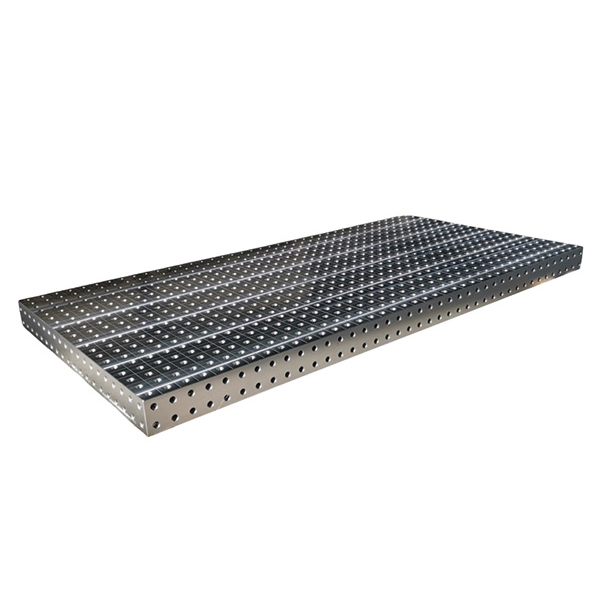
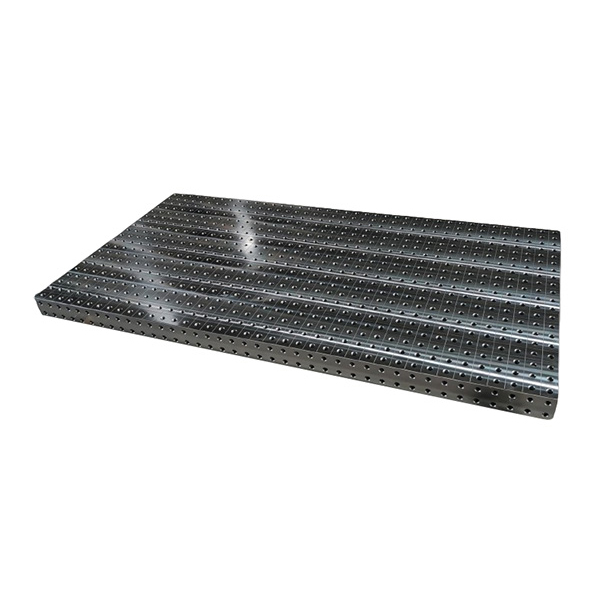
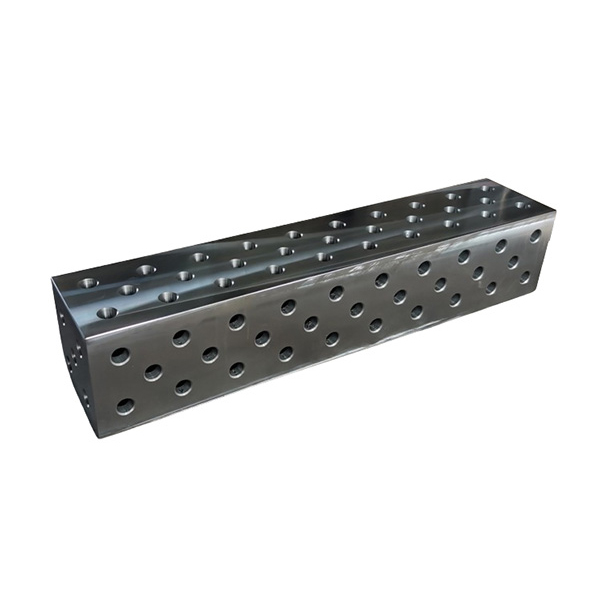
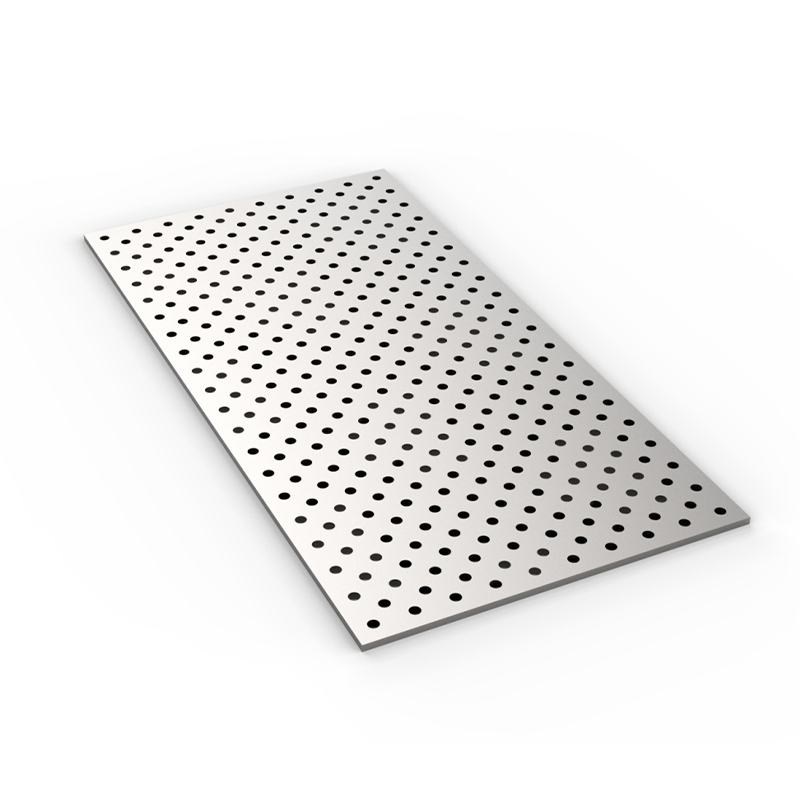
This is where the magic happens. A plain, drilled-hole table is cheap but limited. A modular grid system, like the standard 28mm or ? hole patterns, is what makes a table sustainably useful. But not all grids are equal. The precision of the hole spacing and the hardness of the surrounding material are critical. I’ve used tables where the holes deformed after a few years of heavy clamping, effectively ruining the fixture accuracy.
The sustainable choice is a through-hardened top or a top with hardened tooling inserts at each hole. Companies like Botou Haijun Metal Products Co., Ltd. (you can check their range at https://www.haijunmetals.com) focus on tooling and gauges, and that mindset translates. A table built by a tooling company often has a better grasp on wear resistance and precision retention. Their experience in R&D for durable tools suggests an understanding of the long-haul needs, which is exactly what sustainability in a welding table demands.
The ability to use the same table for MIG, TIG, fixturing complex assemblies, and even light machining (with the right accessories) for 20+ years is the ultimate test. The grid system must accept a wide ecosystem of clamps, dogs, angle plates, and third-party tools. An open, standard system ensures you’re not locked into one brand’s proprietary, potentially discontinued accessories down the line. That’s supply chain sustainability for your workflow.
Surface Treatment & Maintenance Reality
A raw steel top will rust. A painted top will burn and peel. So what’s left? The most common sustainable finish I trust is a light oil coating or a phosphate conversion coating. It’s not glamorous, but it fights rust reasonably well and doesn’t create toxic fumes when you inevitably weld on it. Some high-end tables offer flame-sprayed or powder-coated finishes, but you must ensure the coating is localized to non-welding areas or is exceptionally heat-resistant—often a tall order.
Maintenance is the unsexy truth. A sustainable table needs occasional resurfacing. I’ve had success with a portable milling machine or even a large surface grinder on a modestly warped table. The key is having enough meat on the top plate to allow for this. A 2-inch thick top can be resurfaced multiple times over decades. A ?-inch top? Maybe once, if you’re lucky. That initial material investment is a direct down payment on longevity.
And let’s talk about the legs and base. Often an afterthought. If they’re thin-wall tubing, they’ll dent, collect water, and rust from the inside. A solid, sealed structural base, or one with drainage, lasts forever. I learned this the hard way when a cheap table’s leg collapsed from internal corrosion, unseen for years. The top was fine, but the foundation was gone. Total loss.
Case in Point: Learning from a Good Enough Table
About eight years back, I needed a big secondary table fast and bought a budget-friendly 5’x10′ model from a generic supplier. It had the right specs on paper: 1-inch top, 4-inch square legs, grid pattern. Two years in, the problems cascaded. The grid holes, likely punched rather than drilled, had slight burrs that wore down clamps. The top developed a subtle but annoying twist, maybe 1/16 over 5 feet, enough to wreck precision layout. The paint on the base bubbled and flaked near the heat zone.
I spent more on trying to shim it, flatten sections, and source compatible clamps that wouldn’t wobble than I saved initially. That’s the antithesis of sustainability. It was a lesson in total cost of ownership. The sustainable option isn’t the cheapest upfront; it’s the one with the lowest cost per year over a 30-year horizon. Now, I look for evidence of precision manufacturing—like machined, not punched, holes—and ask about the steel grade and hardening process directly.
This is where established manufacturers with a focus on durable products, like the mentioned Botou Haijun Metal Products Co., Ltd., which has been in the tool and gauge business since 2010, can have an edge. Their core business isn’t disposable goods; it’s precision items that need to hold tolerance. That company ethos often, though not always, translates into their welding table line, suggesting a product built to a different standard than pure commodity furniture.
The Verdict: What to Actually Look For
So, pulling this all together, the best big welding table for sustainability is a checklist of real-world durability features. First, material traceability and thickness. Aim for a known steel grade (like A36 or better) and a top thick enough to allow future resurfacing—1.5 inches is a great starting point for big tables.
Second, the grid system. It must be a standard pattern, and the holes should be machined and preferably hardened. Ask: Can I ream this hole if it gets damaged, or is the whole top compromised? Third, the structure. The base should be overbuilt, with robust connections to the top to prevent racking and twisting. Look for gussets, cross-bracing, or a truss design.
Finally, consider the ecosystem. Are the accessories (clamps, holders) themselves built to last from hardened steel? Is the system open, allowing you to use tools from various suppliers for the next 30 years? A table that ticks these boxes might come from a specialized tooling manufacturer or a high-end welding equipment brand. It’s an investment that disappears into your shop, becoming a permanent, reliable fixture. That’s true sustainability—it just works, year after year, without drama or compromise. The search isn’t for a trendy green product, but for the anvil your shop will be built around.